


The story of a chef
A life seasoned by family, heritage and heart
For Joe Di Cintio, food has never been just food. It carries memory, shapes identity, sustains survival, marks celebration, and ultimately becomes a legacy passed from one generation to the next.
After more than forty years in the kitchen, Joe Di Cinto still speaks about cooking with the same spark he felt as a boy, when the scent of simmering sugo drifted through his family home long before he understood that this simple ritual would shape his life.
Joe grew up the son of Sicilian immigrants from the island of Lipari—people who arrived in Australia with little more than grit, humility, and a reverence for the table. “We had nothing,” he recalls, “but we had food, and we had each other.” His mother and grandmother, both gifted cooks, transformed modest ingredients—capers, potatoes, lemons, their own olive oil—into dishes that tasted like abundance. Potato and caper salad, eggplant rolls, and jars of semi-dried tomatoes are among the flavours of his childhood.
As a schoolboy, Joe often hid those flavours. “I used to eat my lunch behind the sheds,” he laughs, remembering the embarrassment of unwrapping eggplant sandwiches while his classmates ate peanut butter, Vegemite or processed ham and cheese. “Now those things I once hid are the things I crave.” He fondly recalls long Sunday lunches, late-night feasts after evenings out, and of friends piling into the family kitchen in hopes of leftover cotoletta or homemade pasta. Those memories are the foundation of his culinary identity. Food was how his family expressed loved and made everyone feel like they belonged.
Joe never planned to become a chef. “I wasn’t particularly studious or mechanically minded,” he says. “The only thing I was really good at was eating,” he jokes. When his school careers counsellor asked him to choose a work-experience placement, he applied to a restaurant almost on a whim. He expected to hate it. Instead, he fell in love.
The industry he entered in the early 1980s was a different world to what it is today. Male-dominated and often unforgiving, apprentices were treated harshly and kitchens frequently ran on ego and intimidation. Joe survived with what he calls his “Sicilian thick skin,” but the experience also shaped the kind of leader he wanted to become: one who worked alongside his staff, not above them. “I don’t expect anyone to do anything I wouldn’t do myself,” he says. That philosophy would later become the backbone of both his restaurants and his reputation.
In 1991, at just 25, Joe opened his first restaurant, Cerolini’s in Camberwell Junction, with three friends. The previous venue had failed, but the young partners—ambitious and united by a shared passion for food—saw possibility where others saw risk. They renovated, reopened, and built a loyal following. Four years later, emboldened by their success, they moved to Fitzroy Street in St Kilda, where their second restaurant, Sapore, became a local institution.
For twelve years, the St Kilda restaurant thrived. Joe married, became a father, and continued to pour long hours into the business. Staff came and went, as they do in hospitality, but many stayed—drawn by the culture of respect he cultivated. “You work so closely together, you spend more time with your team than your own family,” he says. “I encourage my staff to feel a sense of ownership. That’s why they stay.”
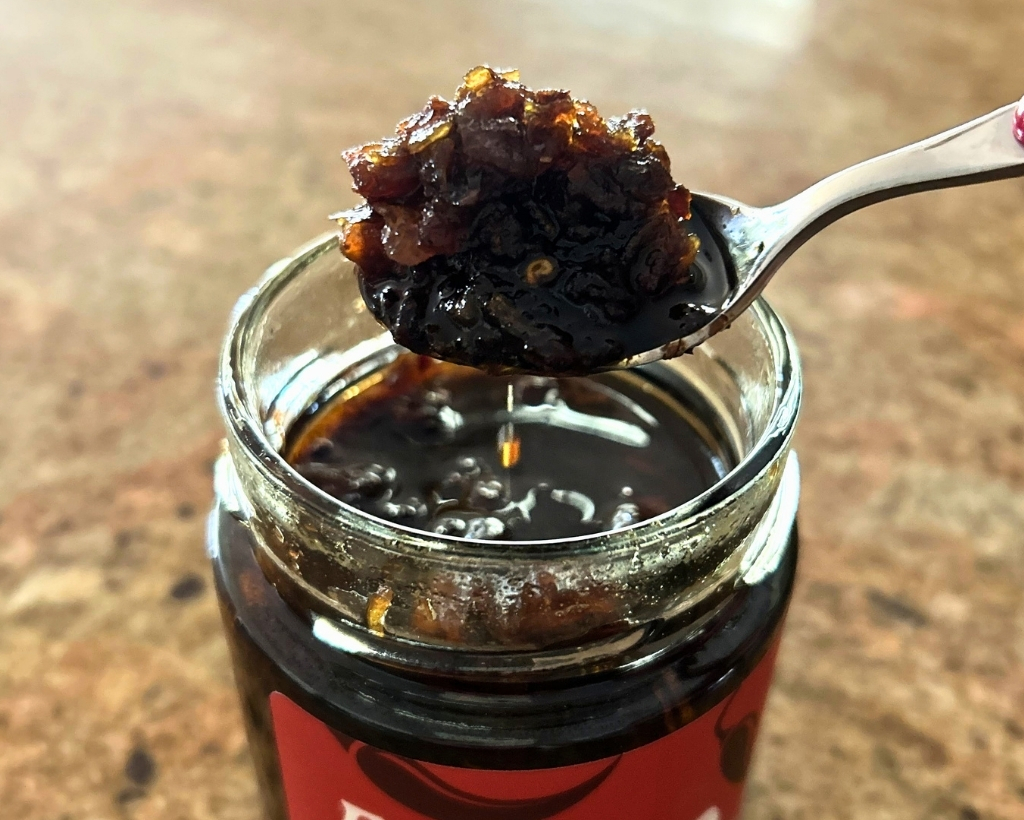
Then came the pandemic, and by sheer luck Joe had sold one of his venues only months before. Suddenly, after decades of working long hours, he had time to rest, reflect, and create. In his home kitchen, he began experimenting, particularly with what is called a chilli crisp—actually a chilli oil—that he shared with friends. Their reactions were immediate: “This is amazing!” Retailers began asking to stock it. What started as a lockdown pastime soon became the beginning of a new chapter.
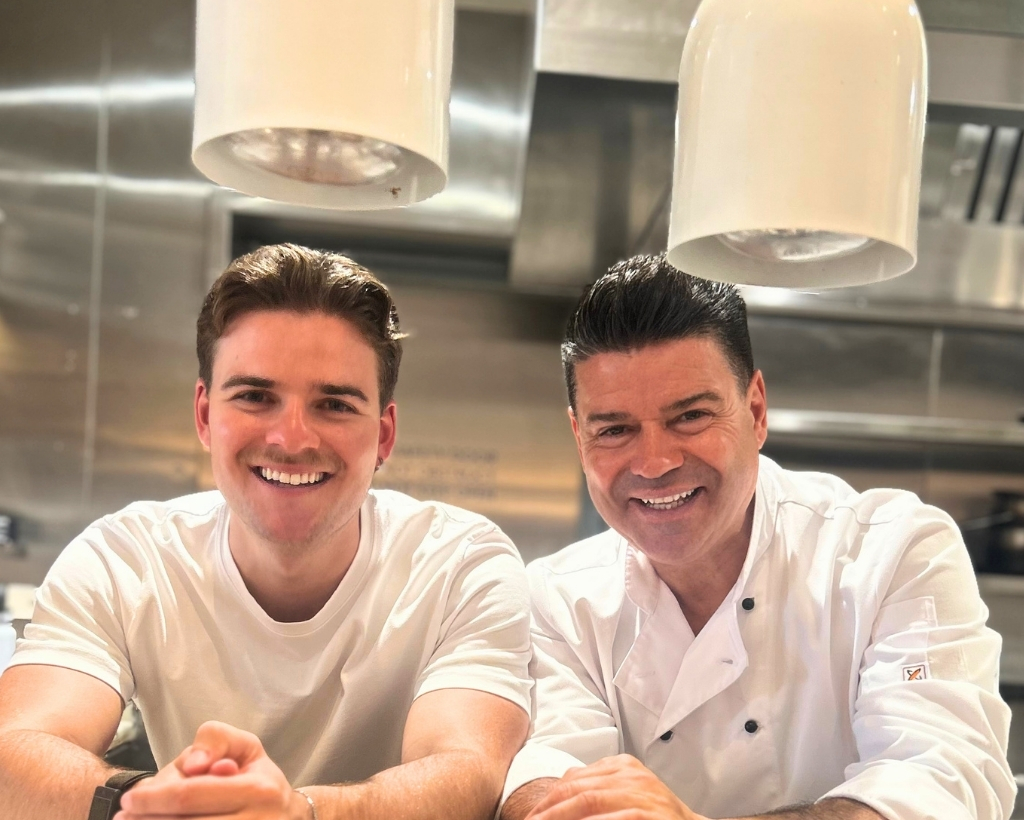
Enter Max, Joe’s eldest son. Fresh out of university with a commerce degree and an instinct for digital storytelling, Max saw an opportunity. “Dad never encouraged me to be a chef, but this was different; it was something we could build together,” explains Max. He created a website, launched an Instagram page, and shared their food story without polish or pretense. People connected instantly.
Their second product, a pistachio spread, arrived just as pistachio-based desserts were surging in popularity worldwide. Boutique grocers began calling, and then Coles Local reached out. “I remember the email, I saw the supermarket giant’s logo in the signature and thought, no way,” Max laughs. But it was real. Their jars hit shelves, and the brand Chef Joey D became a household name among food lovers.
Today, the business extends beyond retail. Their nut spreads feature in frozen-yoghurt bars, bakeries, cafés, and dessert shops across Australia. They supply more than 150 stores, export to parts of Asia, and are in discussions to expand into Dubai, Singapore, and Hong Kong. They also manufacture private-label products and have launched a second-tier food service line.
But for Joe the greatest achievement isn’t the scale. It’s the partnership. “Without my son, I don’t have a business,” he says. “We have different skills, and together we make something neither of us could make alone.” Joe’s daughter Talia and wife Laura step in when needed—labelling jars, packing orders, keeping the family engine running. It’s a family enterprise in every sense.
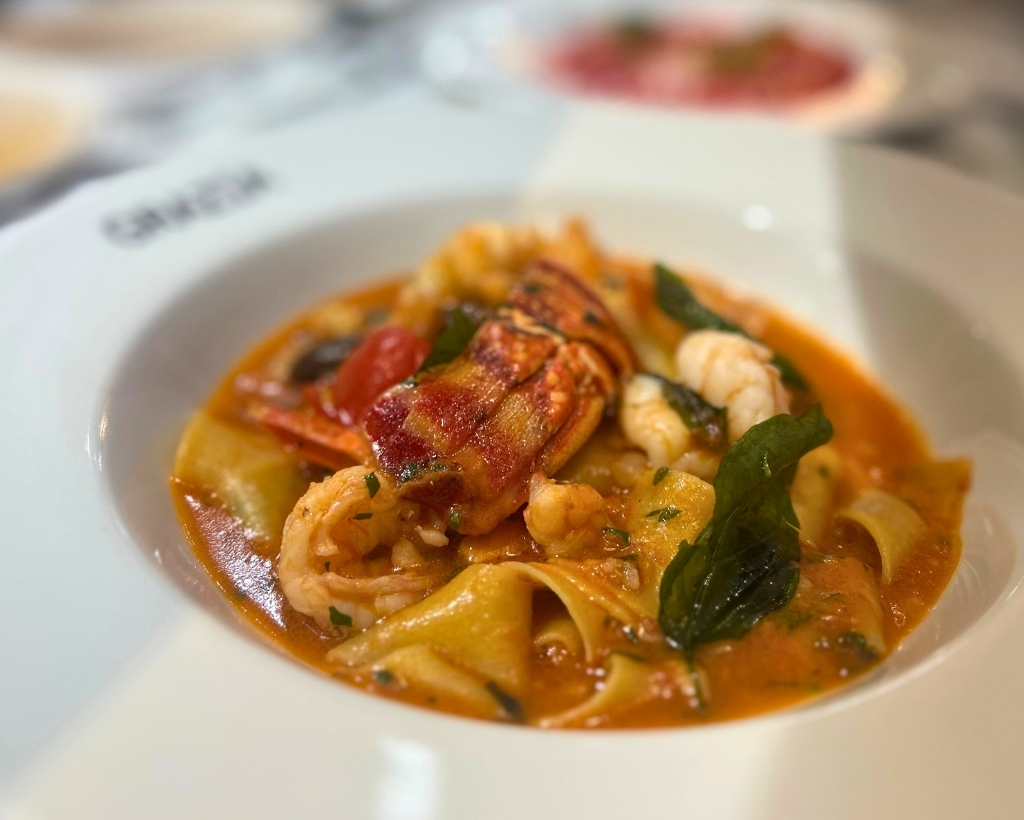
After four decades, Joe still cooks with the same heart he had as a boy. Ask him his favourite dish and he doesn’t hesitate—pappardelle with lobster and prawn, a signature dish that pays homage to his Sicilian roots. “It’s forty years of cooking on one plate,” he says. Max, true to his roots, leans toward seafood too—or a simple margherita pizza, the kind his grandmother might have made.
Joe Di Cinto’s story is one of heritage, resilience, and reinvention. But above all, it’s one of family—of how the meals that once embarrassed a schoolboy became the foundation of a legacy built alongside his son.

