


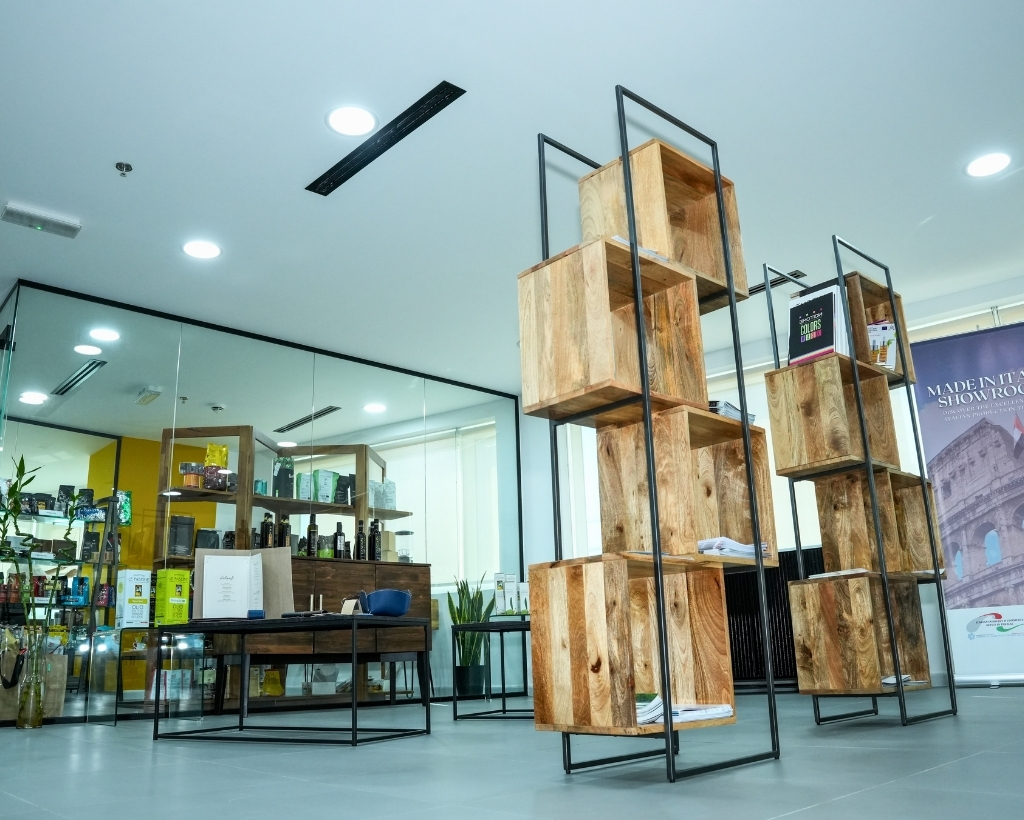
Gateway to Dubai
Strategy, speed and structured growth
From acceleration to execution, Valeria Kuhar’s Prima Classe offers Italian companies a disciplined gateway into Dubai and the Gulf Cooperation Council (GCC) markets — where growth is structured, not accidental.
When Valeria Kuhar first arrived in Dubai in 2003, she encountered something more than a skyline in transformation. She encountered velocity. Cranes did not simply build towers; they signalled a city constructing its own operating system in real time. Regulations evolved alongside infrastructure. Entire districts were conceived, financed and delivered within compressed timelines that would seem improbable elsewhere.
“Living in that acceleration changes you,” she reflects. “It rewards decisiveness, penalises hesitation, and compresses learning curves.”
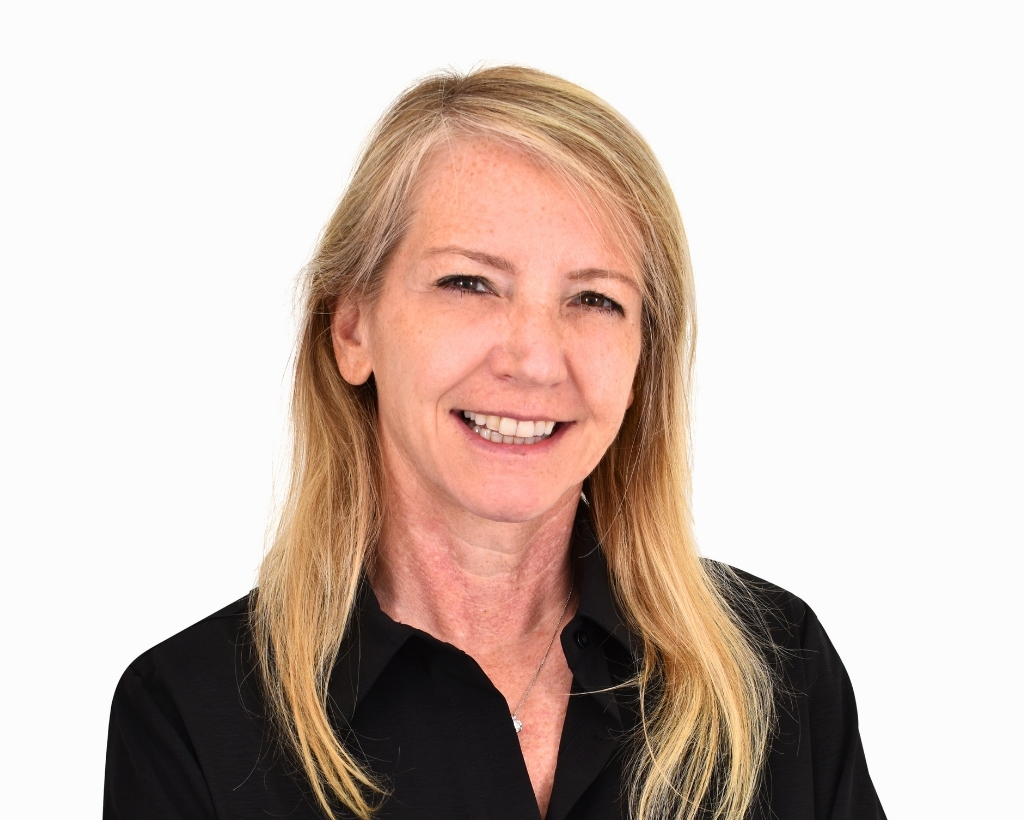
That lived experience became the foundation for La Prima Classe FZE, the boutique business development and general trading platform she founded in 2011. Today, Prima Classe operates as a structured local partner for international brands entering the UAE and wider GCC markets—particularly Italian enterprises seeking more than export transactions: seeking positioning, permanence and scale.
Dubai, as Kuhar explains, is not merely a destination market. It is a regional accelerator. Trends are tested here, brands are filtered here, and successful models are projected outward to neighbouring economies. The city functions as a strategic node connecting Europe, Asia, Africa and the Levant—a crossroads where more than 200 nationalities transact daily.
“Novelty is tested, not resisted,” she says. “If something is practical and beneficial, it has space to thrive. Historical prejudices and entrenched habits rarely block progress.”
But opportunity in the Gulf is rarely spontaneous. It is structured. And this is precisely where Prima Classe differentiates itself.
Rather than acting as a generic intermediary, the company provides a calibrated framework of market intelligence and operational execution. Entry begins with disciplined positioning: mapping buyer expectations, analysing competitive landscapes, defining price architecture and validating product–market fit. Only then does business development begin—targeted outreach to importers, distributors, retailers and Ho.Re.Ca. operators, followed by structured follow-up designed to convert conversations into contracts.
“Export alone is not enough,” Kuhar notes. “Operational presence, disciplined follow-through and execution matter more than origin stereotypes. Dubai rewards adaptive systems, not rigid identities.”
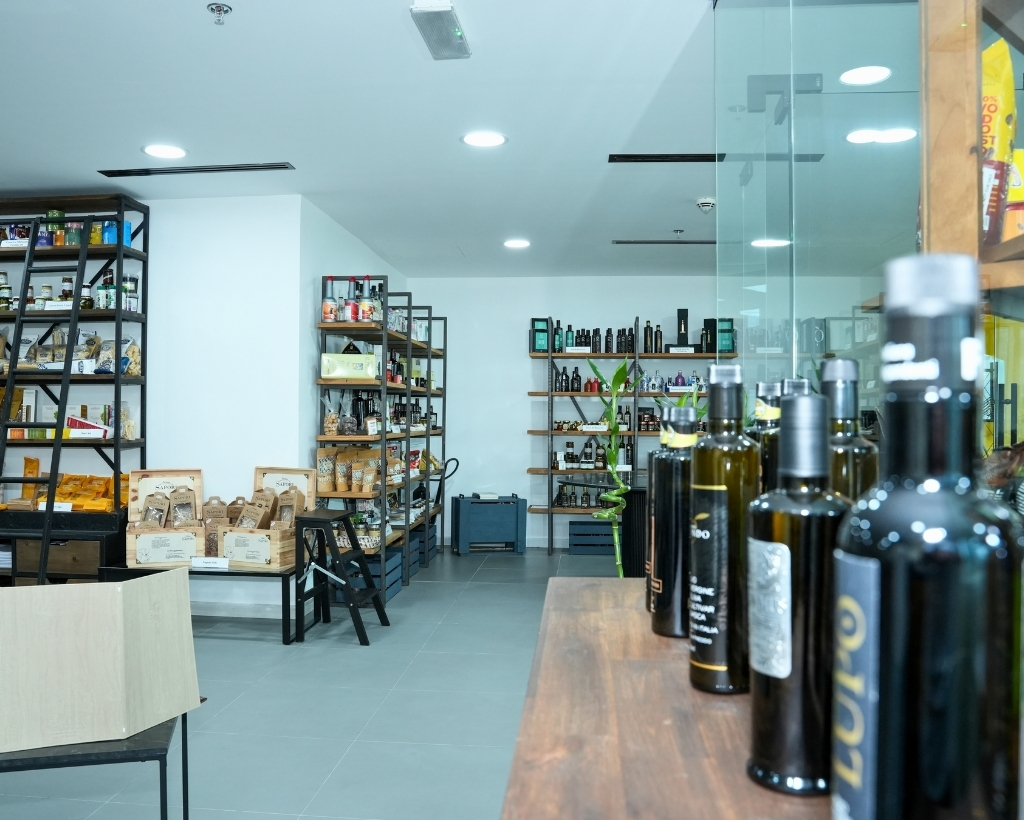
Regulatory alignment is another critical layer. The UAE’s compliance ecosystem—from labelling adaptation to product registration pathways—demands precision. Prima Classe translates regulatory frameworks into executable steps, allowing brands to approach negotiations with clarity rather than uncertainty.
Trade fairs, too, are redefined. Instead of visibility exercises, they become managed conversion platforms, prepared and supported on site to maximise measurable outcomes.
This philosophy of structured growth was tested during the pandemic. Faced with logistical disruption, Kuhar designed a consolidated export model allowing Italian producers to share containers and optimise freight costs. What began as crisis management evolved into a scalable operational framework.
“In Dubai, disruption isn’t exceptional—it’s structural,” she observes. “Innovation must be operational, not theoretical.”
Her broader reflections are captured in her book The Dubai Phenomenon, where she argues that the city’s success is neither miraculous nor accidental. “Dubai is not a miracle—it is a system,” she explains. “Institutions coordinate. Infrastructure anticipates demand. Regulations evolve quickly but remain enforceable. Growth here isn’t optional. If you stay, you grow with it.”
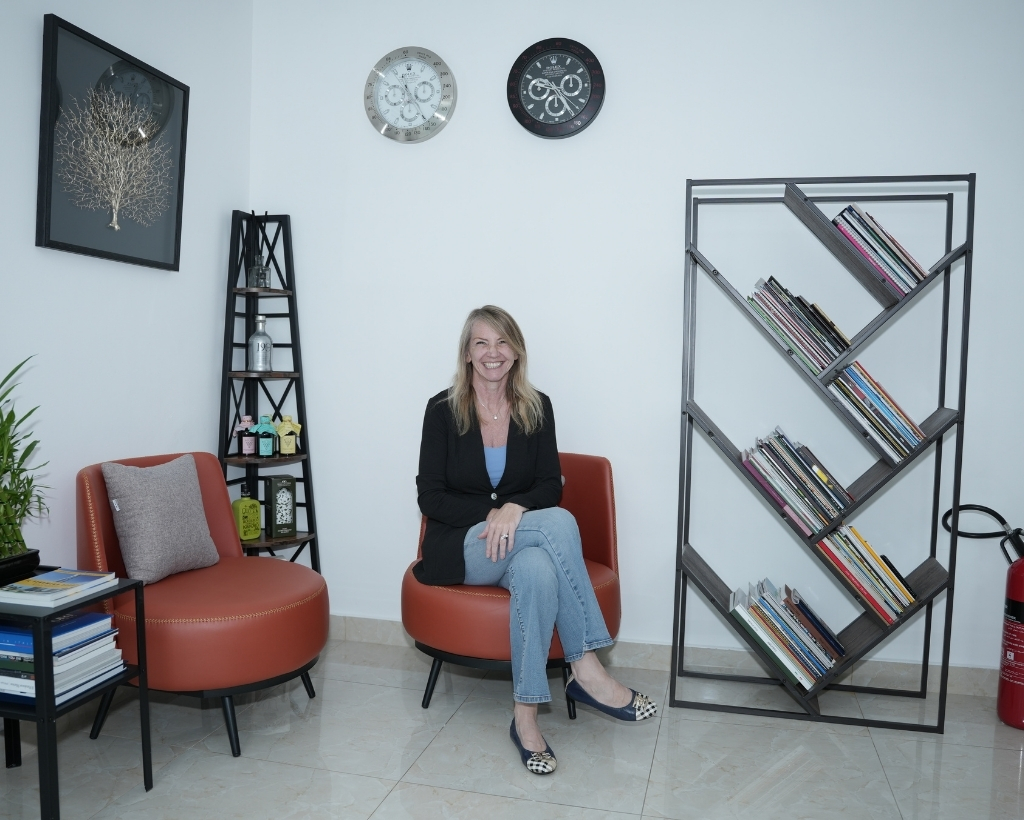
That systemic view shapes Prima Classe’s partner mindset. Clear priorities, realistic milestones, disciplined follow-up and constant feedback loops form the operational grammar of the firm. Success in the Gulf, Kuhar insists, depends not only on what a company brings, but on who it knows, when it acts and how it adapts.
For Italian producers—particularly those in premium food, wine, design and specialised manufacturing—Dubai offers both filtration and amplification. Products are stress-tested for pricing logic, margin sustainability and supply reliability before being scaled regionally. Entering intelligently means building outward, not simply landing locally.
“In a sentence?” Kuhar smiles. “Think globally, execute locally, adapt relentlessly. Growth is inevitable if you match the city’s pace.”
What emerges from her journey is less a tale of expatriate success and more a case study in systemic alignment. Prima Classe does not promise shortcuts. It promises structure. In a region where credibility is currency and timing is decisive, that distinction matters.
Dubai continues to accelerate—its skyline evolving, its regulations refining, its networks expanding. For those willing to operate within its disciplined rhythm, it remains one of the world’s most dynamic commercial laboratories. And through Prima Classe, Italian enterprises are learning that access alone is insufficient. Architecture—strategic, operational and cultural — is what transforms ambition into traction.
In a city built on motion, structure is the ultimate competitive advantage.

