


Sabatum Opera Symphony
Calabrian folk music in orchestral form
Western classical music and Calabrian folk music seem to inhabit worlds separated by history, social context, and musical language. Yet closer examination reveals unexpected affinities and a shared expressive tension that speaks to a fundamental need to give sound to lived experience.
The primary distinction between classical and Calabrian folk music lies in their origins and social functions. Western classical music developed within cultivated settings—courts, churches, theatres. It is written music, fixed in notation, designed to be interpreted and reinterpreted across time while remaining faithful to the score.
Calabrian folk music, by contrast, emerged from everyday community life: agricultural labour, ritual, celebration, mourning, love. It was not conceived for passive listening but for collective participation. Transmitted through memory and imitation, each performance is unique, inseparable from the moment in which it unfolds.
Formally, classical music is structured through codified systems—sonata form, counterpoint, thematic development, intricate harmonic modulation. Calabrian folk music favours repetition, rhythmic and melodic ostinato, and improvised variation. It’s apparent simplicity, however, conceals depth. Many Calabrian melodies are modal, enriched by microtonal inflections and archaic contours that predate the tonal system. In this sense, folk language preserves traces of an ancient past that art music has, in part, abandoned or sublimated.
A further distinction concerns the body. Calabrian folk music is inseparable from dance, especially in the tarantella, where rhythm and movement merge into a single sensory experience. Musical time is embodied—stamped by feet, breathed, shared.
From the 19th century onward, classical music increasingly cultivated contemplative listening. The stillness of the concert hall created a distance between performers and audience. Yet, from the Baroque to the avant-garde, numerous examples show rhythm and physical vitality resurfacing, revealing points of convergence with folk energy.
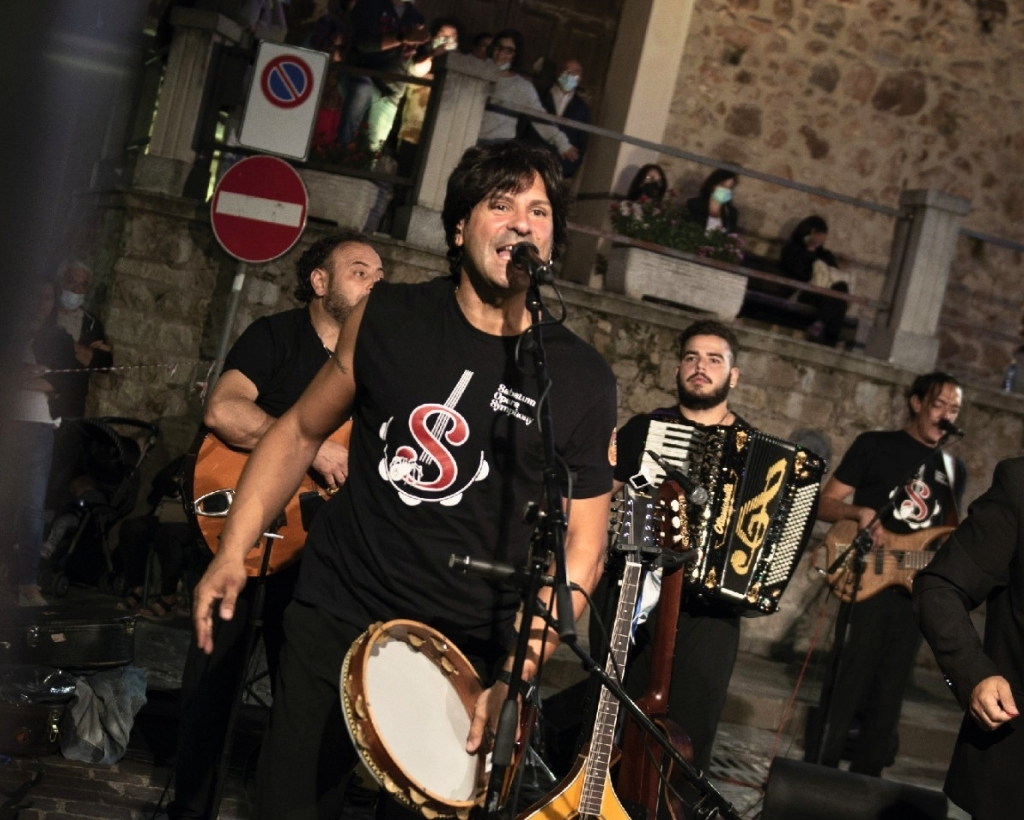
Throughout the 20th century, many composers turned to folk music as a source of renewal. The Calabrian tradition—rugged in timbre and ancient in scale—has inspired musicians eager to transcend academic boundaries. At the same time, folk artists have embraced notation, arrangement, and formal compositional structures, creating hybrid projects in which traditional instruments such as the lira calabrese, zampogna, and organetto meet strings, piano, and symphonic design. In these encounters, formal rigour coexists with spontaneity.
Today both classical and Calabrian folk music face a common challenge: how to remain living practices rather than museum artefacts. Classical music risks self-referential isolation; folk music risks folklorisation. In both cases, dialogue with the present is essential.
True synergy does not imply homogenisation but mutual recognition. Classical music can become more grounded and socially connected by learning from folk music’s communal roots, while folk music can gain strength from notation and attentive listening. They are not opposing poles, but complementary ways of organising sound to give meaning to human experience—one seeking universality through abstraction, the other affirming identity through lived experience. Their increasingly fertile encounters create a space capable of narrating the past, interrogating the present, and imagining new musical futures.
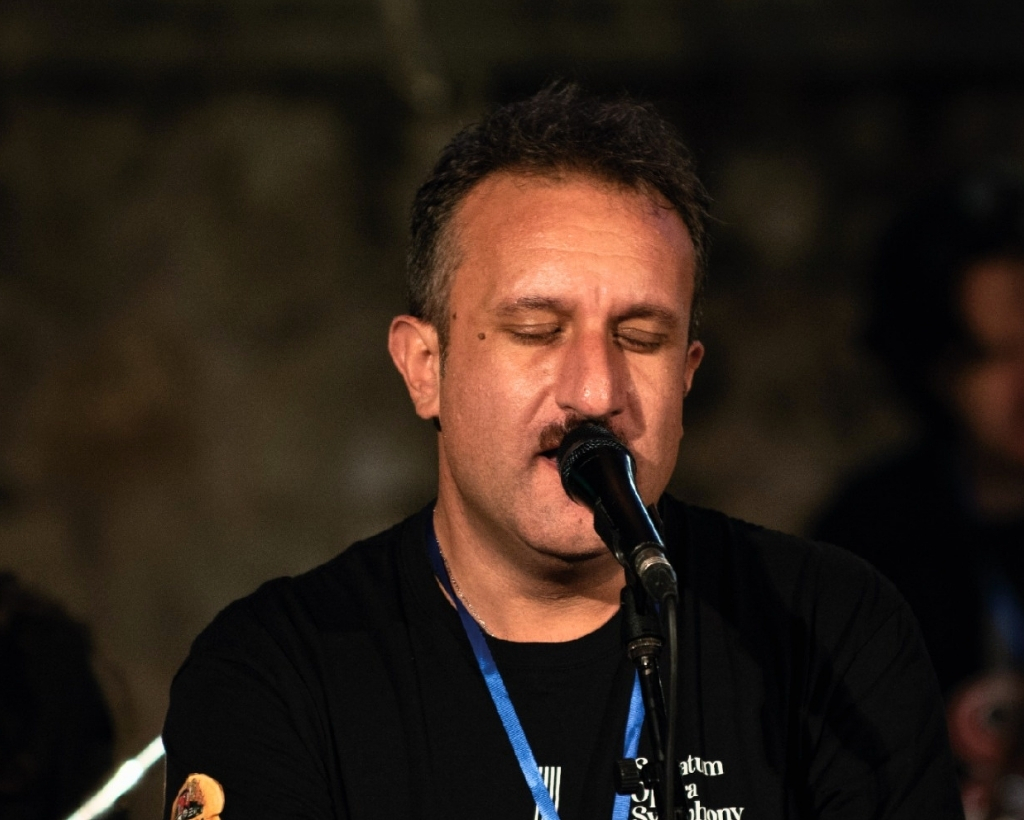
From these premises of musical and etymological research has emerged Sabatom Opera Symphony, the new music-theatre project of Sabatum Quartet, among the most original ensembles from the province of Cosenza and long active in promoting Calabrian music internationally.
This ambitious undertaking represents a powerful synthesis of ethnic-folk and classical music—a challenge born in Calabria, a land that continues to forge eclectic artists capable of experimentation and artistic success.
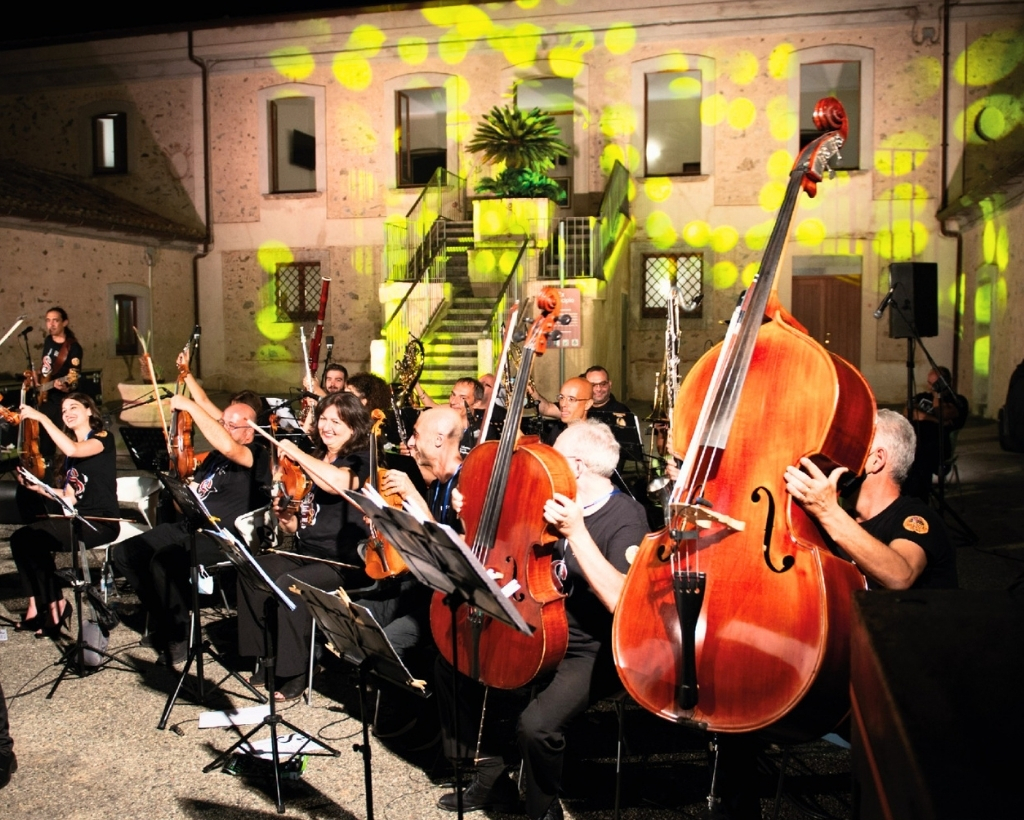
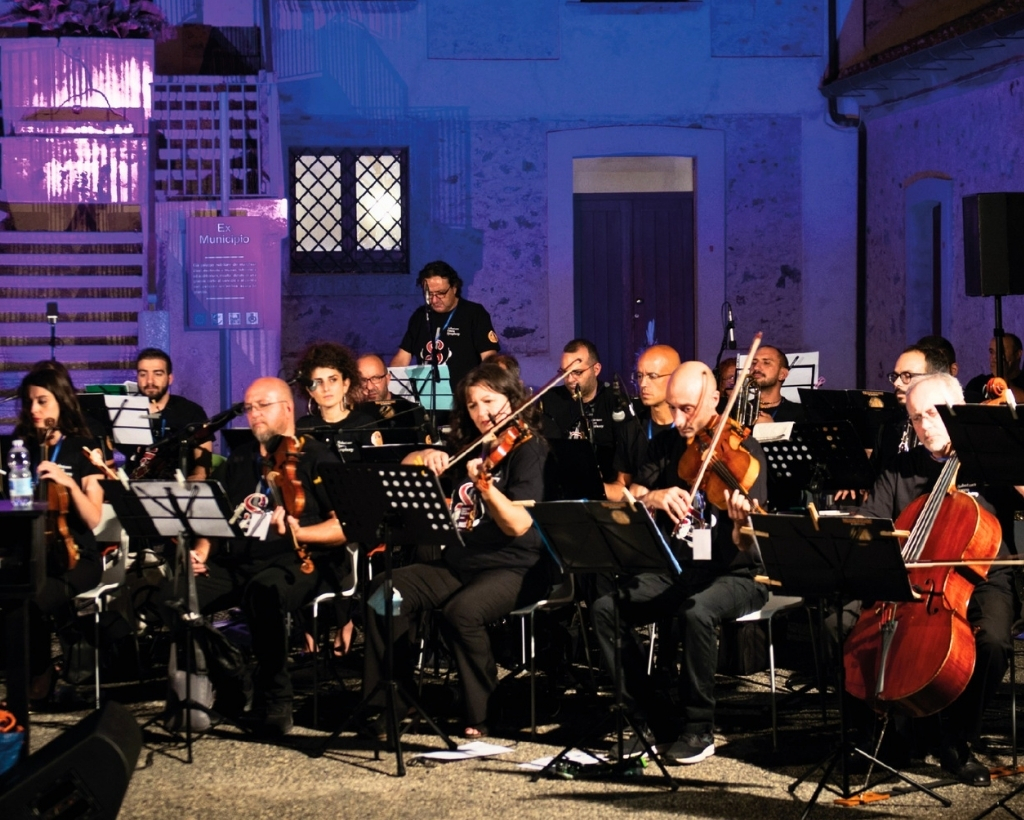
The project presents fully orchestrated symphonic versions of Sabatum Quartet’s most representative works. Artistic direction, orchestration, and symphonic conception have been entrusted to distinguished composer-conductors: Triestino Marrelli (also a member of the Sabatum Quartet), Vito Clericò, Antonio Di Vasto, and Francesco Di Rende. A large orchestra—predominantly winds, enriched by strings and percussion—accompanies the Quartet in a kaleidoscopic musical journey. Nearly fifty musicians from across Calabria form the symphonic body.
Conceived in 2020 during the height of the pandemic, the project aspires to render Calabria’s oral musical heritage in written form. It seeks to dismantle the traditional barriers that confine folk performance to its custodians—so-called “healthy bearers” of tradition, often older musicians or passionate young practitioners—who may have limited access to formal musical training.
Within conservatories and institutions of higher musical education, traditional instruments are rarely employed, and compositional techniques derived from folklore are seldom integrated into curricula. Sabatom Opera Symphony bridges these worlds, allowing tradition to enter the sphere of written music.
The project has enjoyed remarkable success throughout Calabria, including three consecutive sold-out performances at the Teatro di Tradizione “Alfonso Rendano” in Cosenza. Around one hundred musicians have taken part in the production: the full Sabatum Quartet, a fifty-piece orchestra, and a children’s choir of the same size.
Beyond uniting two musical worlds, the project pursues a broader objective: to inscribe traditional music into notation, making it accessible not only to enthusiasts but also to more academically oriented audiences. To notate tradition is to strengthen its endurance, preserving it beyond the fragility of oral transmission.
Equally important is the globalisation of tradition. Young classical musicians, immersed in written culture, often remain detached from genres lacking tangible scores. By providing complete orchestral notation, Sabatom Opera Symphony enables classical trumpeters, violinists, and orchestras—regardless of geography or cultural background—to perform Calabrian repertoire. A tarantella furnished with a score can be performed anywhere. Geography, anthropology, and its connection to the region no longer limit its execution.
The aspiration is clear: that more musicians—and therefore wider audiences—may experience and share Calabrian tradition. Through Sabatum Opera Symphony, this heritage is entrusted to a universal language: musical notation.
In this process, tradition is neither fossilised nor diluted. It is expanded—carried from the village square to the symphonic stage—reaffirming that the dialogue between the classical and the popular is not a contradiction, but a creative necessity.

