


Italian heritage at the table
Unesco recognises Italian cuisine as intangible cultural heritage
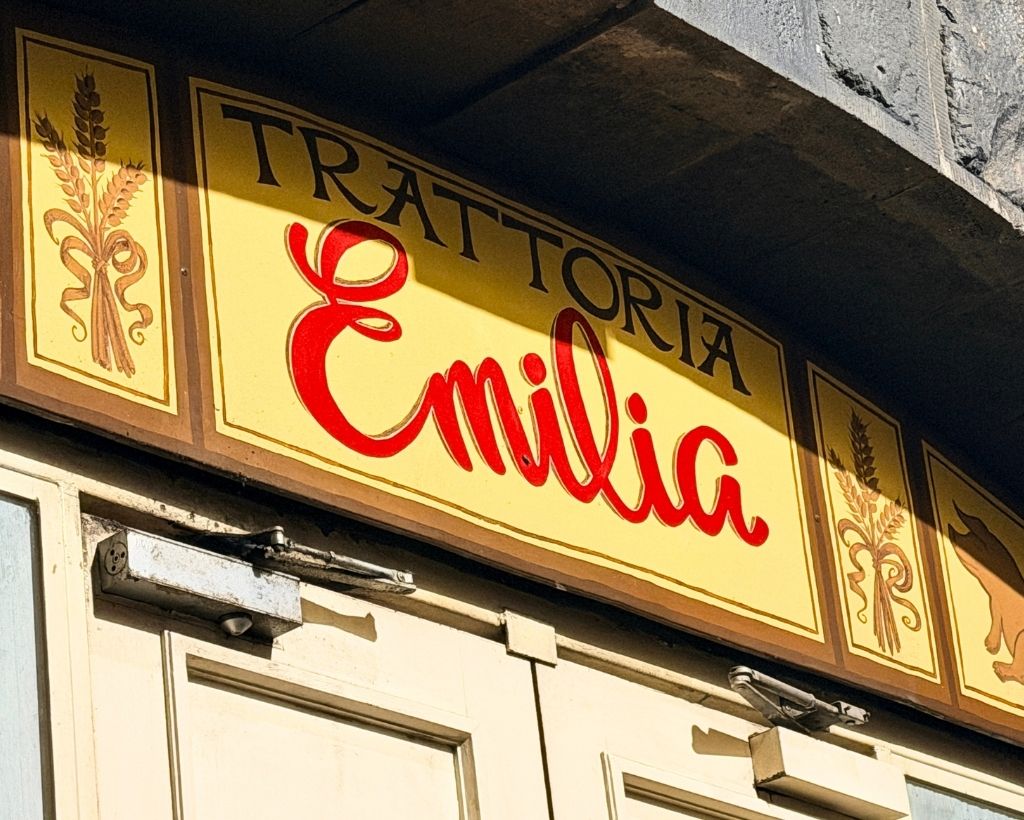
Melbourne’s delegation of the celebrated UNESCO’s recognition of Italian cuisine at Trattoria Emilia, highlighting its cultural significance beyond recipes and reflecting on how food traditions, shared practices, and community evolve.
When UNESCO recognised Italian cuisine as Intangible Cultural Heritage of Humanity in December 2025, it did more than honour a repertoire of traditional dishes. It recognised Italian cuisine as a cultural practice shaped by artisanal food preparation, where sharing meals connects families and communities, fostering a sense of belonging.
Italy is the first country to receive UNESCO recognition for its cuisine, marking its twenty-first element inscribed on the Intangible Cultural Heritage list. The official Italian dossier emphasises creativity, intergenerational transmission, community participation, and dialogue between cultures.
The recognition is not simply about iconic foods like pasta or pizza, but about the broader context in which meals take place. UNESCO’s language around food heritage consistently points to the rituals of the table—sharing of meals, communal customs, intergenerational knowledge—while also recognising the values and skills associated with preparing and using food—respect for ingredients, artisanal techniques, and anti-waste practices. In this sense, Italian cuisine is framed as something dynamic and evolving rather than fixed.
It was precisely this deeper meaning that animated the recent convivio dinner held in Melbourne by the local delegation of the Accademia italiana della cucina, under the leadership of Australian Delegate Luisa Valmorbida, at Trattoria Emilia. The evening was not just a dinner, but a statement: a reminder that Italian food culture abroad is sustained by people who care enough to preserve it, discuss it, interpret it and pass it on.

Founded in Milan in 1953 by journalist and writer Orio Vergani, the Accademia italiana della cucina was created to safeguard the traditions of Italian cuisine and promote the overarching concept of civiltà della tavola (civilisation of the table). Recognised by the Italian Republic as a cultural institution, it operates through an extensive network of delegations in Italy and abroad, promoting research, publications, conferences and convivial gatherings dedicated to protecting and enhancing Italian cuisine. The Accademia is non-profit and non-partisan, with a mission rooted in cultural value rather than commercial promotion.
Its international presence is particularly significant. The Accademia explicitly sees its work abroad as a way of defending and extending Italian food culture where for too long Italian cuisine and products were ignored, misunderstood or underestimated. That makes its overseas delegations more than social clubs; they are instruments of cultural continuity and diplomacy.
The Melbourne convivio captured that spirit. Guests immediately understood the broader significance—UNESCO’s recognition was not merely about what appears on a plate, but about the communal and cultural values behind it. One of the most striking ideas to emerge during the evening was that the honour belongs as much to the gesture of gathering as to the food itself. In short, UNESCO recognised not simply “Italian cooking” but the social world built around it.
There was also an honest awareness that such recognitions are rarely without debate. Some guests mentioned commentary and articles questioning aspects of the UNESCO decision. Yet even that disagreement revealed something important: cuisine matters because it touches identity, belonging and authenticity. Italian food is one of the world’s most loved cultural languages; it is also one of the most imitated. Recognition, therefore, is not only celebratory—it is protective.
That protective role sits at the heart of the Accademia’s work. Several guests reflected on their long association with the institution, in some cases spanning two decades, and on the responsibility of keeping culinary traditions alive in Australia. The challenge is not nostalgic preservation for its own sake, but ensuring that Italianità continues to speak to new generations. The older migrant experience remains foundational, but the future depends on younger people, families and even non-Italians being drawn into the conversation.
This point deserves emphasis. If Italian cuisine is to remain a living heritage abroad, it cannot be guarded too narrowly. It must be shared. Some guests argued that the Accademia should increasingly open its activities to a wider public, much as major cultural festivals have done, inviting people beyond the immediate community to participate in Italian culture through food. That idea aligns perfectly with the meaning of convivio: a gathering where culture is lived collectively, not held privately.
The choice of Trattoria Emilia as host was also fitting. The restaurant is recognised on the Accademia’s platform and noted for its bread oven, artisanal past, and traditional house-made preparations—qualities that make it an apt setting for a dinner centred on authenticity, craftsmanship and regional depth.
Evenings like this confirm that food remains one of the most powerful forms of cultural storytelling available to the Italian diaspora. In an English-language magazine committed to sharing Italian art, culture, lifestyle and innovation with a wide audience, cuisine is not decorative. It is one of the clearest ways Italy explains itself to the world. It carries memory, but also values: quality, care, sociability, ritual, generosity, and a relationship between tradition and creativity that is unmistakably Italian.
That is why the Melbourne convivio mattered. It transformed an international recognition into a local act of belonging. It showed that UNESCO’s decision lives not only in official declarations but in the lived experience of communities abroad—in conversation, in memory, in bread broken together, and in the enduring conviction that Italian cuisine is never just about eating. It is about being together and knowing why that still matters.

