


Heritage across oceans
A Calabrian woman reconnects generations abroad
Calabrian cultural ambassador Franca Crudo spent November 2025 visiting Italian communities across Australia, sharing ancient traditions through workshops, school visits and meetings with seniors. Her mission was to reconnect younger generations with their heritage and empower elders as custodians of Calabrian identity.
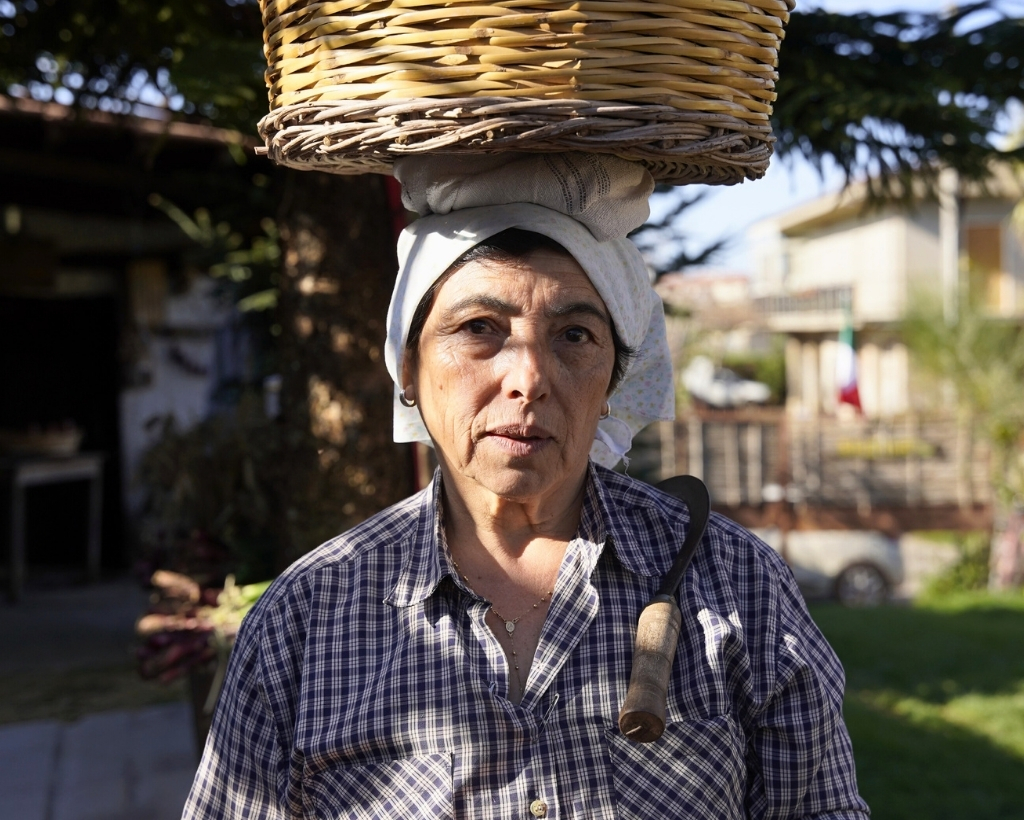
Franca Crudo entered Australia carrying far more than a suitcase. She brought stories, scents, gestures, and the memory of a Calabria that many have left behind—yet continue to long for. For nearly a month, her journey took her through Adelaide, Sydney, Melbourne, and Perth, where she met communities shaped by migration, resilience, and a deep, instinctive attachment to their homeland. Her visit was not simply a cultural tour; it was a mission to bridge generations and revive the thread that binds diaspora families to the Calabria of their parents and grandparents.
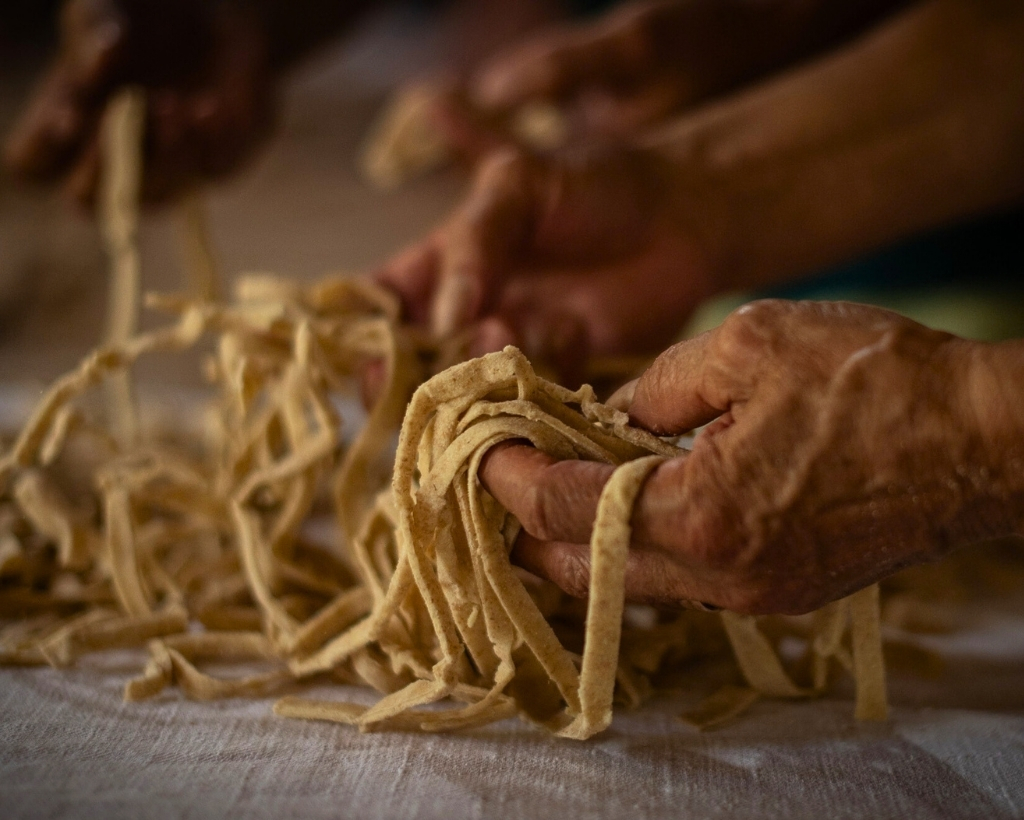
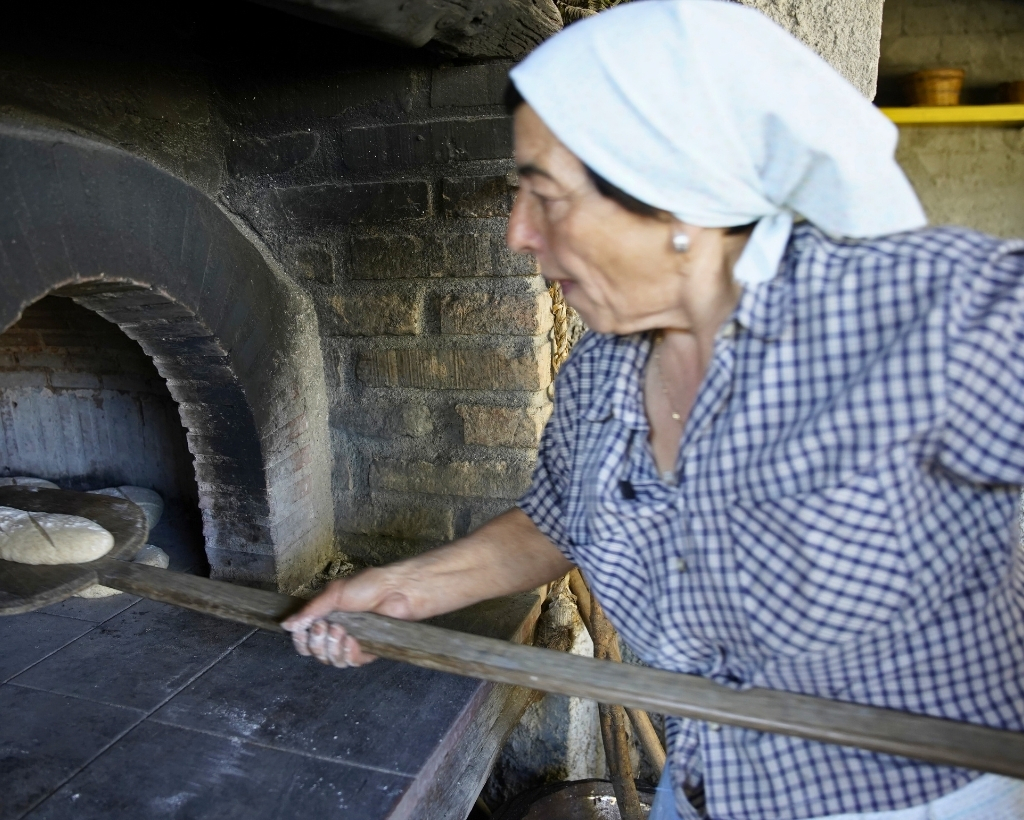
Franca, known for her dedication to preserving the traditions of her native village of Zungri, has become a voice of authenticity in a digital age that often transforms heritage into a commodity. She rejects the label of “influencer.” Instead, she calls herself a transmitter of culture, someone who shares what they know not for recognition, but for continuity. Her videos and community work focus on bread-making, soap crafting, traditional clothing, and the oral traditions of her homeland—elements that go beyond nostalgia and become a living archive of Calabrian identity.
These values came to life during her Australian tour. Each city hosted community events, from intimate school programs to lively bread-making workshops and emotional visits to senior homes. Within these gatherings, the heart of her mission became evident: connecting young people—many of them second or third-generation Italian-Australians—with elders who have carried traditions across oceans.
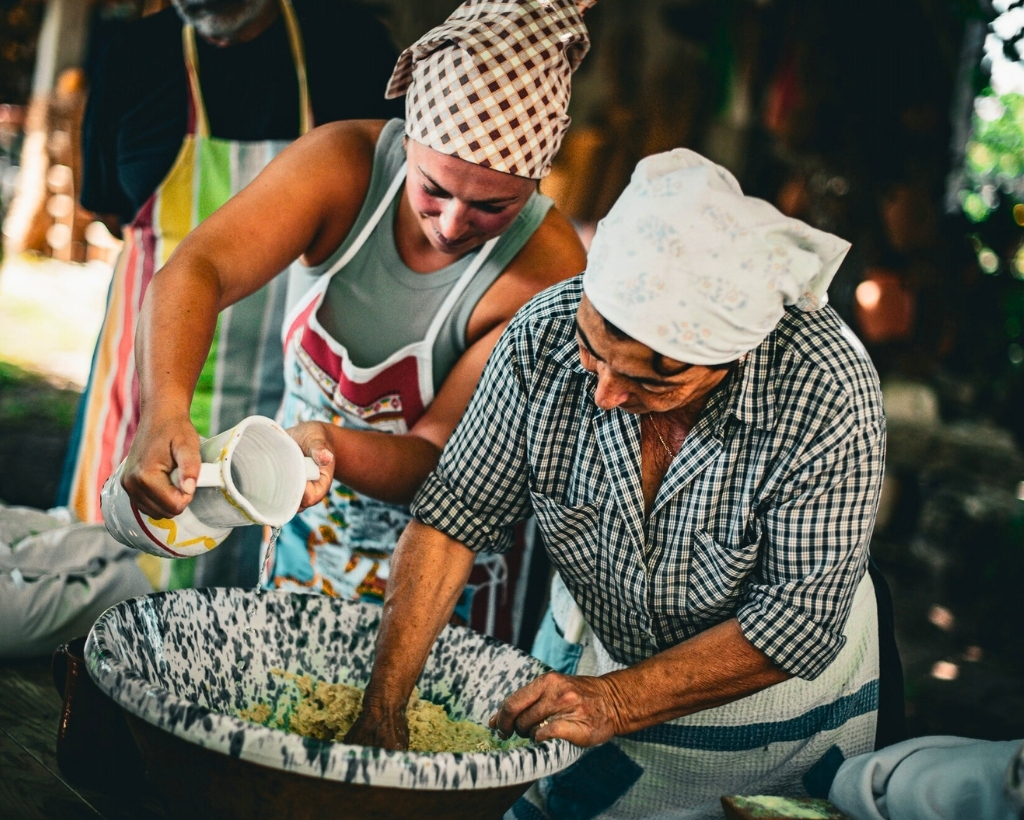
Intergenerational exchange emerged as a central theme. For Franca, preserving culture is impossible without the active participation of both youth and seniors. Young people, she insists, are the future guardians of Calabrian heritage, but they need guidance. Senior community members, especially women, possess this knowledge, often passed down through lived experience rather than books or formal lessons. Yet, too often, older women in cultural clubs or associations are confined to the kitchen—appreciated for their cooking skills, but not recognized for their role as cultural mentors.
Franca encouraged these women to step into leadership roles, to teach rather than serve, and to share their stories with pride. Her presence reignited memories for many older attendees—memories of rural life, village rhythms, handmade foods, and the rituals of everyday survival. For younger attendees, witnessing these practices sparked emotions ranging from curiosity to unexpected nostalgia. Some described the experience as “meeting their grandparents again,” even if only through the gestures and dialect of a woman who reminded them of home.
Her personal motivations added depth to her mission. After a long period of working in farming, retail, and other fields, both she and her travel companion turned their energy toward cultural work. For Franca, reviving the ancient village of Zungri—particularly its rupestrian caves—became a passion project rooted in love for her homeland. This year, her decision to travel to Australia was shaped not only by the strong Calabrian-Australian community but also by personal loss. Encouraged by her family to continue working despite her grief, she turned her journey into an act of healing as well as cultural preservation.
Authenticity guided each aspect of the tour. Franca’s choices—refusing selfies, preferring full-body photos to show her “feet on the ground,” or avoiding nail polish as a tribute to her grandmother—reflect a philosophy centred on humility and ancestral connection. She believes every detail communicates values: respect for elders, simplicity, pride without ostentation. These messages resonated deeply with audiences, reminding them that tradition is not performance but lived identity.
Across all cities, audience reception was overwhelmingly positive. Communities expressed gratitude not only for the events themselves but for the emotional impact they carried. Children asked questions about Calabria, seniors shared memories that had gone unspoken for years, and many attendees acknowledged the urgency of preserving these traditions before they fade.
Looking ahead, Franca’s visit serves as a call to action. Italian-Australian communities can take meaningful steps to strengthen cultural continuity: encourage senior mentors, document personal stories, involve youth in hands-on workshops, and ensure that Calabrian customs—language, dress, food, rituals—remain part of everyday life. Festivals and community events should highlight authenticity rather than simplified or touristic representations of culture.
Franca’s journey across Australia planted seeds—seeds of memory, pride, and intergenerational exchange. Through her dedication, she reminds us that heritage is not something we inherit passively: it is something we must actively keep alive. And as she continues her mission, from the caves of Zungri to the homes and halls of the Australian diaspora, she carries with her a message that transcends distance: culture survives when it is shared, taught, and lived.

