



Frank Lotito: A life on stage
From Melbourne roots to global scenes
Frank Lotito’s journey from Melbourne’s Italian community to international film sets is a story of resilience, cultural pride, and creative reinvention, balancing struggles with breakthroughs across theatre, film, comedy, and community.
Frank Lotito’s story begins in Brunswick, Melbourne, where the vibrant Italian community shaped his childhood. At its heart stood The Metropolitan Theatre, an Art Moderne-style cinema that, throughout the 1970s, was far more than a venue for Italian films. It was a place where families gathered, stories were shared, and identity was nurtured. For young Frank, weekends spent at the Metropolitan fostered a deep sense of belonging and pride in his heritage. When the cinema closed in 1981 and was later replaced by a supermarket, it marked more than the loss of a building; it represented the erasure of a communal hub that had once anchored the Italian migrant experience.
As his family followed a familiar migratory path from Brunswick to Reservoir, Lotito witnessed how Italian families spread through Melbourne’s northern suburbs. His teenage years were spent working in hospitality, where he absorbed his parents’ work ethic, learned the art of connection, and felt the bonds of community. These early experiences sowed the seeds of an entrepreneurial spirit and creative resilience that would later underpin his career as an actor, comedian and filmmaker.
Lotito’s move into entertainment was anything but planned. Together with his father, he opened a pizzeria that unexpectedly became a stage. His knack for engaging customers was noticed by a regular who encouraged him to try acting. Accepting the challenge, he joined an Italian theatre production— and his very first performance was unforgettable. A fire broke out mid-show! Instead of rattling him, the chaos burned away his stage fright and gave him his first taste of press attention.
From there, Lotito joined Broccoli Productions, performing in The Wedding, a comedy exploring cultural clashes between Italian and Greek families. The stage show resonated with audiences across Australia, running successfully for six years. In time, he founded Masquerade Productions, which specialised in staging theatrical performances in schools that blended entertainment with Italian language and culture. Commedia dell’Arte became a favourite, allowing him to bring centuries-old theatrical traditions to a new generation.
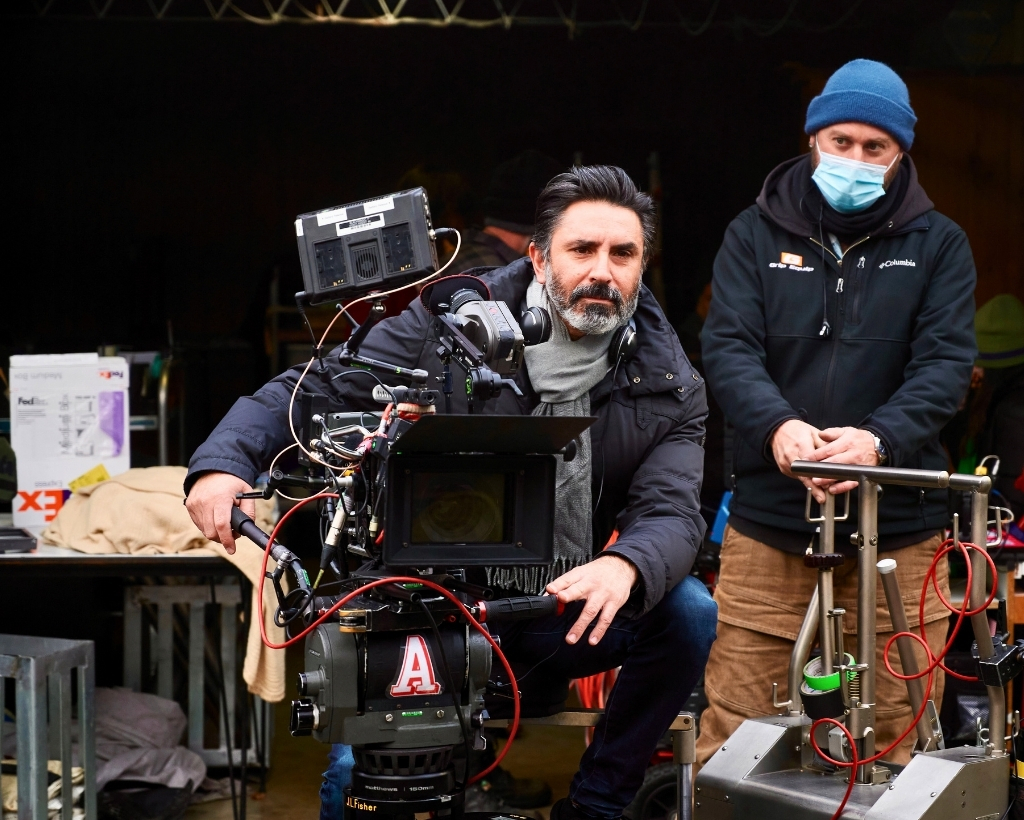
While theatre opened doors, film and television presented barriers. Lotito quickly learned the limits of an industry still prone to typecasting, where actors of Italian or Greek heritage were offered narrow roles. Rather than be boxed in, he turned to stand-up comedy and independent productions—spaces where he could create opportunities instead of waiting for them.
Collaborating with peers like Paul Bongiovanni, he produced original shows that highlighted migrant experiences and cultural humour. He drew inspiration from figures like Giorgio Mangiamelle, an Italian director whose works built a bridge between his heritage and the wider public. Lotito too wanted to carve a space where Italian-Australian stories could speak universally without reducing them to cliché.
His first leap into film came with a project Big Mama’s Boy, a comedy rooted in Italian family dynamics that he wrote, produced and starred in. The film drew strong community support but struggled to reach wider distribution, competing with Hollywood giants and fighting piracy. Still, the experience proved invaluable. Screening the film in the United States was a pivotal moment that led him to direct Growing Up Smith, a story about immigration in 1970s America. Its themes resonated deeply with Lotito’s own upbringing, and the film earned multiple awards at international festivals, praised for its humour, heart, and cultural nuance.
Relocating with his family to the U.S., Lotito embraced indie film culture, collaborating with established actors and engaging in talks with major studios, including Warner Brothers and connections to Bradley Cooper. Yet, visa challenges during the Trump era and shifting studio priorities derailed several projects. When a film collapsed just before the COVID-19 pandemic, the blow was profound.
The pandemic years brought further hardship. Lotito underwent open-heart surgery, confronting physical recovery, professional uncertainty and depression. But in this difficult moment, writing and theatre became lifelines once more—out of the darkness came The Italian Divorce, a play that re-centred his career and purpose.
In the play, Lotito portrays Bruno the carpenter—a character modelled closely on his own father—allowing him to channel personal memories into performance and blend authenticity with craft. Audiences responded powerfully: the show sold out its initial runs, moving audiences to laughter and tears, and plans are underway for a national tour in 2026.
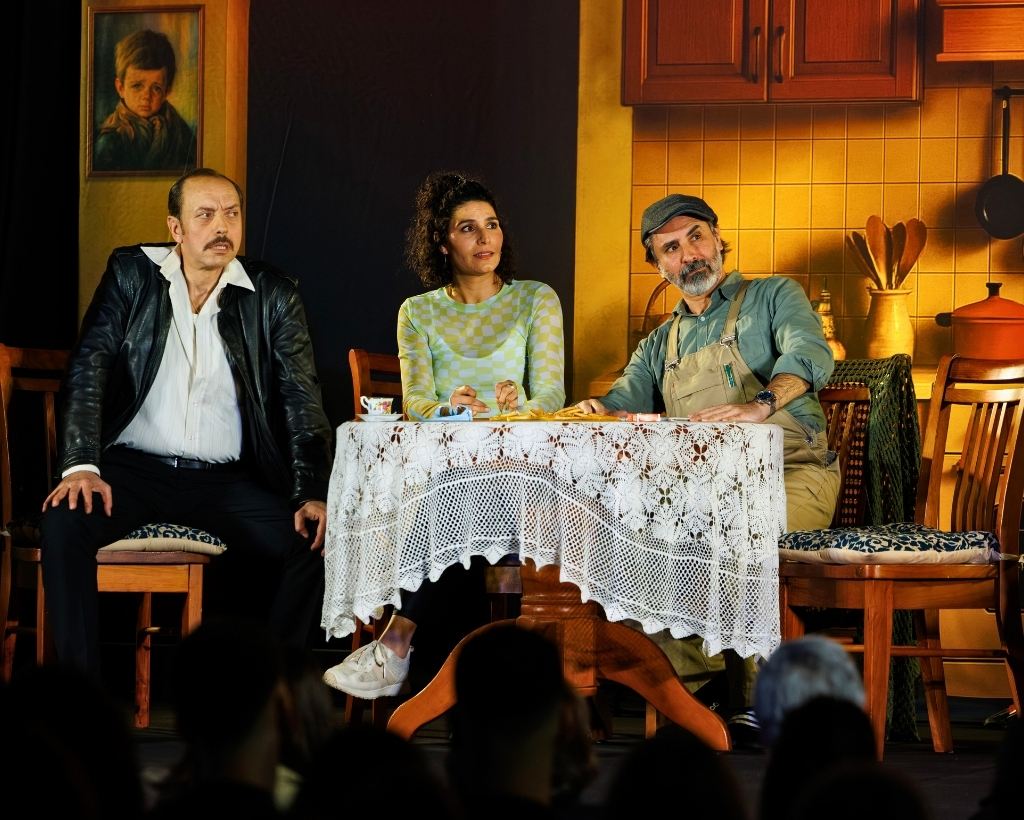
Lotito himself describes the play as life-saving. After rejection and career stagnation, The Italian Divorce reminded him that he didn’t need industry approval to tell his stories. He could do it on his own terms.
Beyond his own career, Lotito remains deeply committed to the community. He has long been connected to Italian clubs and cultural institutions, including recent collaborations with the Calabria Club. For him, these organisations are more than event venues—they are repositories of heritage, shaped by generations of volunteer effort.
Lotito is candid about the challenges: younger generations often see clubs as outdated, while older members fear losing traditions. He believes the answer lies in balance—modernising while respecting legacy, finding ways to share cultural knowledge that resonate today.
Looking forward, Lotito envisions a portfolio of projects spanning theatre, independent film, and community work. He is determined to continue blending Italian-Australian identity with broader human themes, ensuring that stories of migration, resilience, and family are not lost but reimagined for new audiences.
Frank Lotito’s life so far has been marked by detours, resilience, and reinvention. From a Brunswick cinema to international film festivals, from stand-up clubs to sold-out theatres, his career illustrates both the difficulties and the rewards of refusing to give up.
At the heart of his work lies a belief in storytelling as survival. His latest play, born out of illness and hardship, testifies to the enduring power of theatre to heal, to connect, and to remind us of who we are.
As he steps into the next chapter—with The Italian Divorce preparing for a national tour—Lotito stands not just as an entertainer but as a custodian of heritage, carrying forward the voices of his parents, his community, and generations who made their lives between two worlds.

