


Caterina's Legacy of Love
How a tradition of long lunches forged a three-decade business
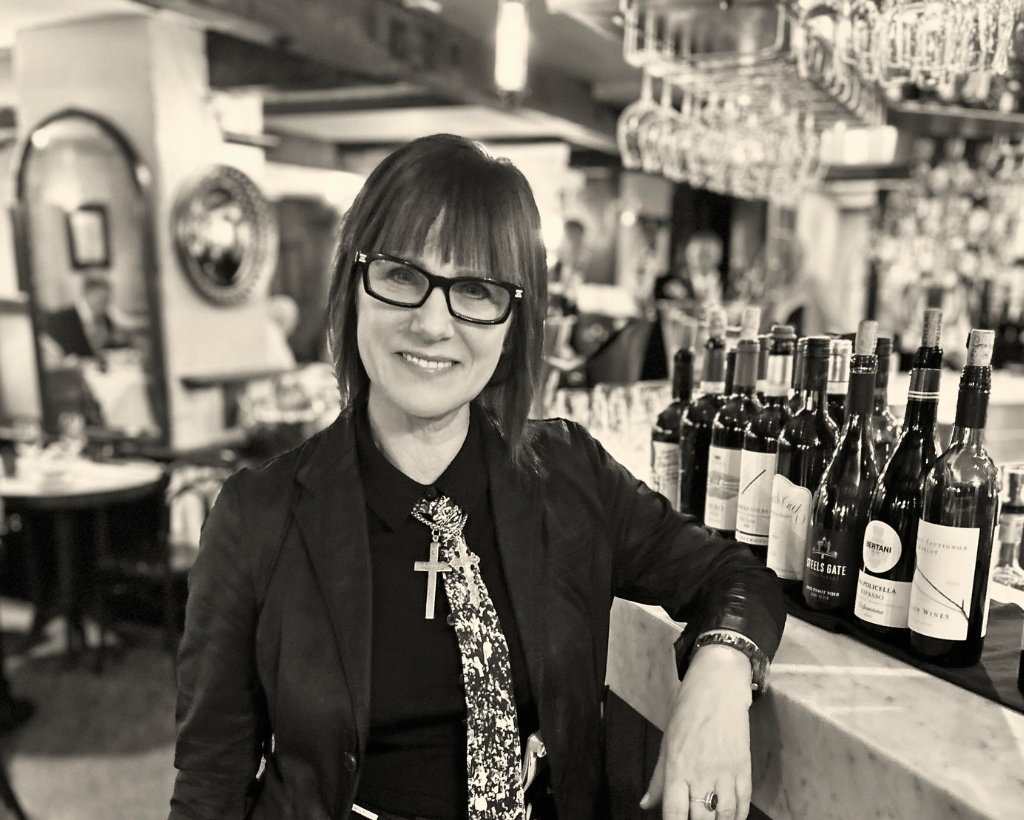
Caterina Borsato has been a constant presence in Melbourne’s hospitality scene. Her life, work and passion are intrinsically tied to her Italian heritage, resulting in a dining space born of a deep connection to the rituals of family, food and connection.
Caterina’s two-hatted namesake restaurant, now celebrating its 30th year, is far more than a beautiful basement venue for enjoying the ‘long lunch’. It represents an ongoing tradition—a place where business, community and families can experience what Italians do best.
Born in Melbourne to Italian parents, Caterina grew up on a dairy farm in Gippsland, where food was the centre of family life. Her father, who had arrived in Australia as a young migrant, spent more than a decade working at the now-defunct restaurant but once-iconic CBD restaurant, The Society. The tips he earned there helped him purchase the farm that became the backdrop of Caterina’s childhood. Though a farmer by trade, he understood food intimately—the finer points, the gestures, the reverence.
“At home, Sunday lunches were almost ceremonial, my mother rising before dawn to begin lunch preparations, the family lingering at the table for hours, and my father, changing from his farming clothes and dressing for lunch as an act of respect. Lunch was sacrosanct.”
That early introduction to food culture stayed with Caterina. When she moved to Melbourne at sixteen and a half to attend Melbourne University, it was here—surrounded by Italian migrant communities and immersed in the city’s culture—that she first truly felt Italian.
A scholarship later took her to Italy, where quickly she became fluent in both the language and living a Mediterranean life. It was there she first tasted buffalo mozzarella, authentic Roman-style pizza, and the tramezzini and cicchetti (small bites) found in the Venetian bacari. She realised that the food was not just familiar, it was part of who she was.
Caterina’s path into hospitality was unconventional. While working at some landmark Carlton restaurants, she caught the attention of leaders from the Carlton Football Club, who invited her to join their sales and marketing team. It was an environment where she often felt out of place—a stylish young woman among conservative corporate men—yet it forged connections that later prove pivotal. Many of those early contacts would go on to become the loyal supporters and customers who helped her open her first restaurant.
Her initial venture in North Fitzroy earned a coveted chef’s hat in only its second year, but behind the scenes the environment was fraught with conflict. Caterina’s youth and inexperience was undermined by a much older business partner, and she eventually walked away—but not before a dramatic breaking point that taught her the cost of misplaced trust. It was a lesson that prepared her for the next chapter.
By the mid-90s, Caterina was consulting on a new building site that would eventually house the restaurant she still runs today. Little did she know that the business was collapsing under debt, and that she was, in fact. being positioned as a financial lifeline. What followed has become a well-worn part of her story: senior business figures, many of whom she had served and supported through her early hospitality years, came together as “white knights.” They purchased the site at public auction on her behalf, lent her the deposit, and entrusted her with the future of the venue—all this without contracts and without conditions, simply because they believed in her.
She went on to repay every one of those early investors.
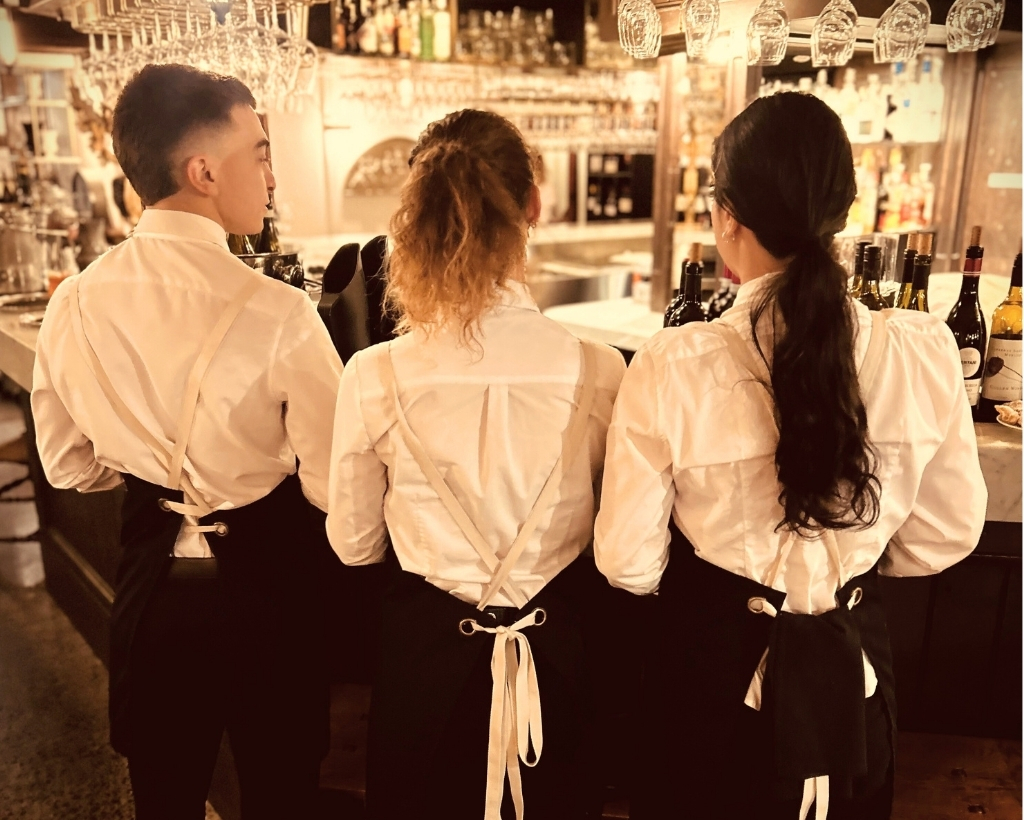
Named Caterina’s, from the very beginning her restaurant was shaped by the long Sunday lunches she recalls so fondly from her childhood—generous, traditional meals, open to trends but not beholden to them, and served only for Monday-to-Friday lunches. It was a business decision that many called “economic suicide,” it was grounded in her upbringing and allowed her to raise her daughter, Allegra, with her husband Nicholas. For many years Caterina lived off very little, pouring everything back into the restaurant, her family and her staff—some of whom have been with her for decades. Over the years, the restaurant weathered numerous challenges: a gas crisis, several floods, a global financial crisis and COVID—each threatening to destroy the business. None succeeded.
Her commitment to community has been evident from her early television days. Caterina’s regional Italian cooking show R.I.C. T.V., aired for more than twenty years. She continues to draw inspiration from the nonnas and various guests who joined her on her show, always paying homage to her roots.
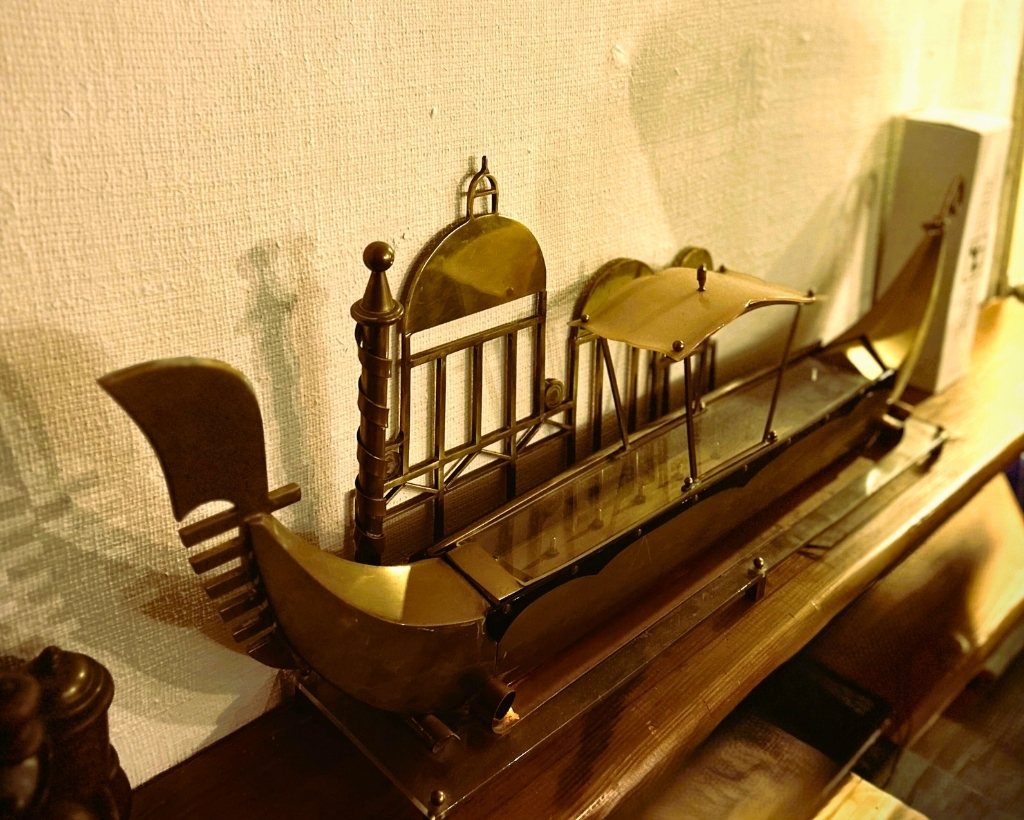
Today, the restaurant still stands on Queens Street, in the heart of Melbourne’s bustling CBD. The same doorway continues to lead newcomers to somewhere entirely unexpected. Step inside and the light softens, and the space feels instantly warm—not just in ambience, but in spirit. Descending the stairs, carefully chosen pieces emerge: statues, a pair of 17th century venetian mirrors, a French baker’s stand, and remnants of fellow iconic restaurants—scales once used at Stephanie’s, marble tables formerly at Mietta’s, even a gondola from Marchetti’s Latin. There are carved terracotta cherubs, trinkets and ornaments collected from around the world—all sentimental, each carrying a story—together creating a space that is eclectic, intimate, and inviting. This collection forms the landscape of Caterina’s world—a sanctuary for many regular clients, sustained by resilience and the quiet strength of a woman who understands the power of lineage. Here, the past and present live side by side, offering a welcome as heartfelt as the woman who built it.
As for legacy, a new generational thread is emerging through Caterina’s daughter, Allegra. Using her grandmother’s lovingly handed down recipe, Allegra is crafting an artisan alcoholic liquor named Stellato—a lemon-infused Grappino—poised to carry the family story into its next chapter. It is a project rooted in lineage, nostalgia and heritage, the very values that have guided her mother’s life.
As Caterina celebrates 30 years in business, her story which stands as a testament to resilience and the power of heritage. Her restaurant remains a living tribute to her family, to the migrants who came before her, and to the daughter now beginning her own journey.

