


Between tomatoes and dreams
How Italians found a new beginning on the far side of the earth
Italian migrants journeyed to Nelson in Aotearoa New Zealand seeking opportunity, building a thriving tomato-growing community that endured hardship, war, and change. Their legacy lives on today through Club Italia and the annual Nelson Italian Festival.
How far would you go for a better life?
For generations of Italians over the past 150 years, the answer was always the same—as far as it takes. Some went north, some west, and a few crossed the world entirely, sailing past every familiar horizon until they reached a small harbour town on the tip of New Zealand’s South Island: Nelson.
There, between the ocean and the hills, they found soil rich enough to grow both tomatoes and dreams. It wasn’t Italy, but it became something just as precious: a new beginning. Today, Nelson is home to one of New Zealand’s largest and oldest Italian communities, with roots reaching back to the late 1800s. And on 1 March 2026, the Nelson Italian Festival will once again celebrate this rich history, with thousands visitors from across the country.
To understand why Nelson celebrates Italy with such enthusiasm, we need to step back in time. How did Italians come to call Nelson home? If you dig a straight tunnel through Earth from New Zealand, you end up somewhere in Portugal, near the border with Spain. From Italy, New Zealand is—almost literally—the opposite side of the world. Now imagine making that journey in the late 1800s.Most of the early migrants came from southern Italy, especially the town of Massa Lubrense on the Sorrentine Peninsula. The crossing to New Zealand was long and brutal, and it meant leaving everything behind. But hope was a powerful motivator. The promise of stability—and perhaps a small patch of land to call their own—was enough to draw these southerners to a place they had only ever seen on maps, if at all.Among Nelson’s earliest Italians was Mariano Gargiulo, who arrived from Massa Lubrense in 1898. With little more than gardening wisdom and grit, he transformed a stretch of Grove Street into one of Nelson’s first tomato gardens. Although his life was cut short in 1914, his legacy lives on through his descendants and through many migrants he helped find work and stability.
Others took unexpected paths. The Vitetta brothers, musicians from Potenza, originally earned a living scoring silent films in Wellington. When that industry faded in the 1920s, they settled in Nelson near the Maitai River and turned their attention to cultivating tomatoes, eventually becoming respected market gardeners and community leaders. Some, like Giacomo Persico, naturalised and built a life that would eventually include a wife brought from Italy, children raised between two cultures, and decades of hard work.
Migration was rarely a solo act. Letters and remittances pulled cousins and neighbours across the seas, creating a web of kinship stretching from southern Italy to Tasman Bay. Over time, the leafy suburb known as The Wood became a “sea of glass”, its greenhouses glinting in the sun.Tomato growing was hard work under a hot sun, but it was also communal. Men tended the vines, women sorted and packed, children fetched boxes or polished fruit for market stalls. When crops failed or illness struck, neighbours rallied without hesitation.
Yet even in this seemingly sheltered corner of the world, global events soon seeped in. In 1915, when Italy joined the Allies, Nelson’s seventeen Italian men marched through town raising funds for the Italian Red Cross. The mayor thanked them publicly: “What they lack in numbers, they make up in spirit.”But a generation later, that same spirit was tested. When Mussolini’s Italy allied with Germany, even long-settled Italians in New Zealand found themselves labelled “enemy aliens”. They had to register with authorities, seek permission to travel beyond twenty miles, and report regularly to the police. Some were sent to Somes Island in Wellington Harbour; others endured vandalised glasshouses and children being taunted at school. Families who had helped feed a city were suddenly viewed with suspicion. Yet most stayed, waiting for trust to grow back.

In the post-war years, a different kind of migration began. Many Kiwi soldiers stationed in Italy fell in love with young Italian women and brought them to New Zealand to start new lives. Soon, more migrants followed, drawn by the promise of steady work in the growing tomato industry. From the 1950s to the 1980s, Nelson’s Italian growers supplied tomatoes to much of the country. At the industry’s peak, forty of the fifty Italian families in Nelson being proud tomato growers.But it wasn’t meant to last forever. By the 1990s, pressure from imported produce and urban expansion caused the industry to fade. Greenhouses gave way to housing developments, but the Italian community remained strong—and that’s largely thanks to Club Italia.
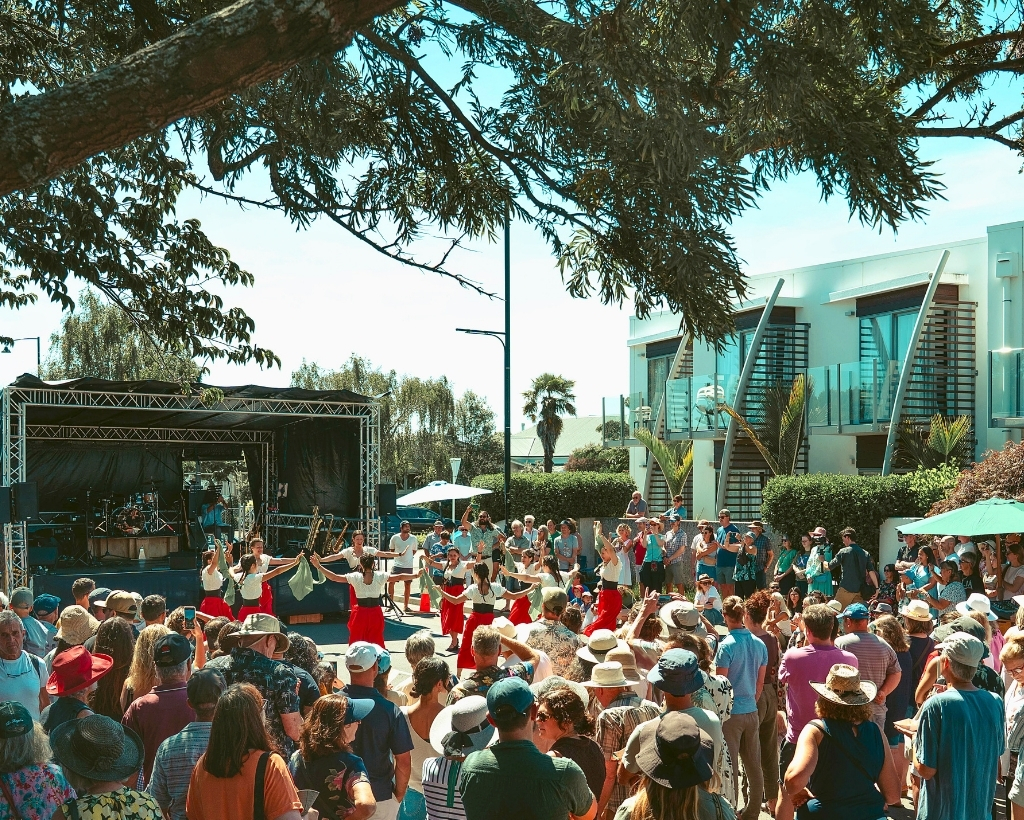
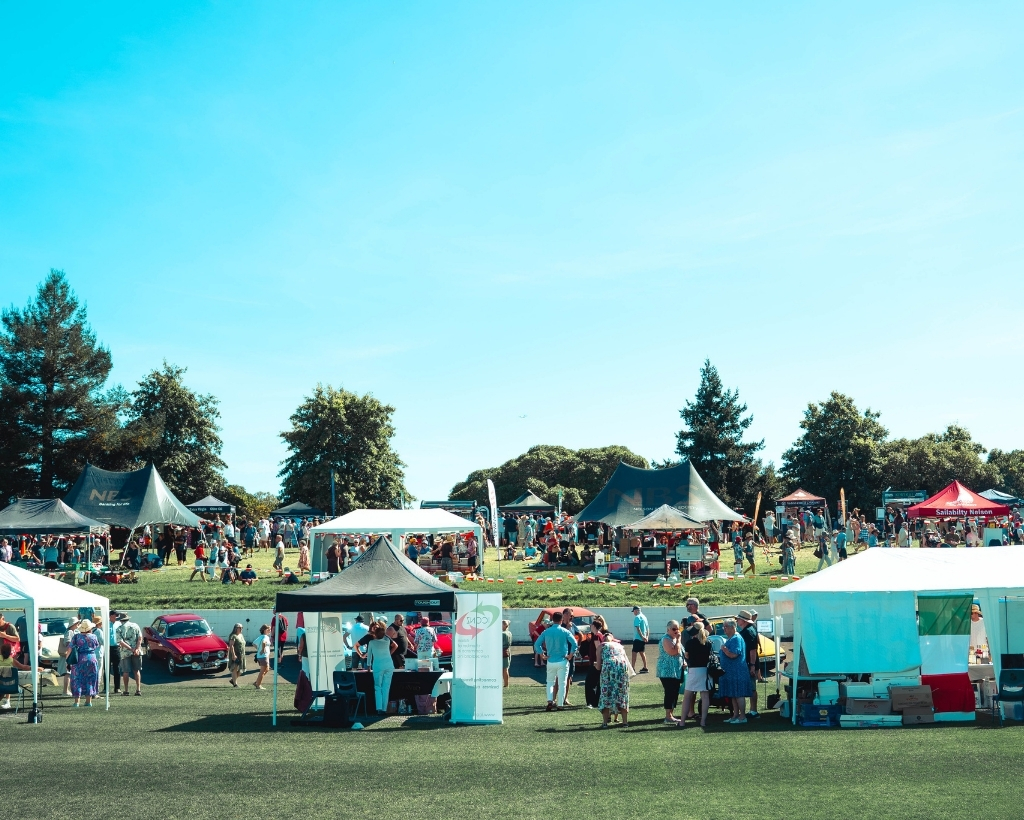
Founded in 1931 as a male-only club for immigrants longing for the old country, Club Italia has been the beating heart of the Italian community through decades of change, eventually opening its doors to women in 1984. Today, it remains a place where descendants of early growers gather alongside newer arrivals and Nelsonians who fell in love with Italian culture along the way.And once a year, the whole city joins in. After drawing over 8,000 people at its 2025, the Nelson Italian Festival will return on Sunday 1 March 2026, bringing together food, music and community in a vibrant summer celebration. From wood-fired pizza and artisan products to live cooking demos, entertainment and family activities, it’s the ultimate Italian day out—no passport required. So, how far would Italians go for a better life? Far enough to find home again.

