


Ancient Italian Roots Go High-Tech
Felice & Conflenti is a festival where Calabrian folk traditions meet digital innovation, helping to preserve cultural heritage while keeping music and community at the heart of the experience. Ethnomusicologist and scie
Every July and December, people from around the world travel to the charming village of Conflenti, nestled in the unspoilt mountains of southern Italy, just a short drive from Lamezia Terme International Airport. They come to attend one of the festival’s two annual editions, an event that since 2014 has been dedicated to researching, preserving and passing on the traditional music of the region.
Felici & Conflenti offers today’s globally connected audiences an opportunity to discover the ancient dance and musical traditions of Calabria while spending several days in direct contact with the vibrant culture that created them. It naturally raises the question of whether the digital age is an ally or an adversary to the festival’s mission.
“The answer is multifaceted. We all use social media as it is a fundamental and inevitable part of our communication. Digital devices and social media play a significant role in helping Felici & Conflenti to connect with and engage established and new audiences,” says Christian Ferlaino.
“We are neither nostalgic for the past nor averse to digital innovation. We are researching what is still knowable about traditional music and engaging with it as a resource to addressing contemporary questions that matter to us. From the perspective of cultural transmission, social media present both challenges and opportunities, and we engage with it thoughtfully.”
With social media, as with other forms of recording and documentation, there is a risk of reifying music, turning it into a static object rather than a living process.
“Recordings cannot capture the musical grammar that gave rise to a piece of music, nor the socio-cultural processes that made it a living form of human interaction,” explains Ferlaino. “However, once the grammar has been transmitted through other means—which is the focus of the festival’s activities—the digital data becomes a valuable resource, providing access to a wealth of information.”
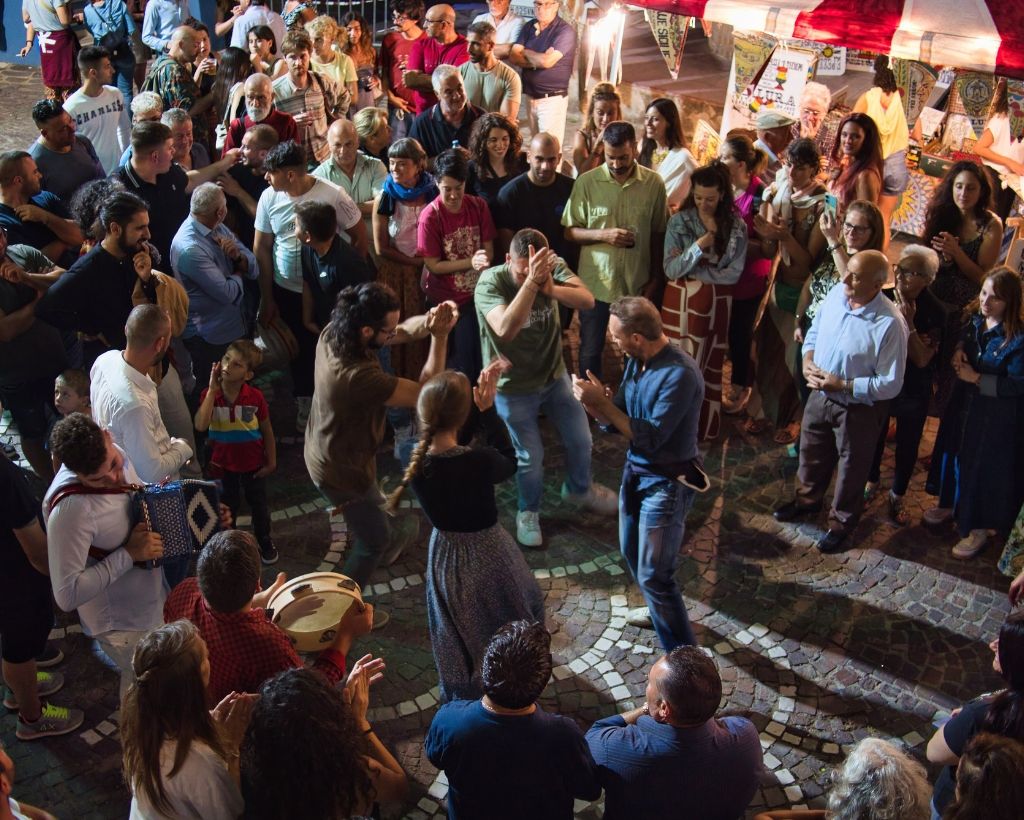
Beyond music and dance, the festival introduces participants to the ancient traditional instruments that once accompanied local communities through the rhythms of everyday and religious life. Equally important is the preservation of the knowledge connecting music and nature—the transformation of plants into instruments, for example—offering valuable insights into questions of sustainability.
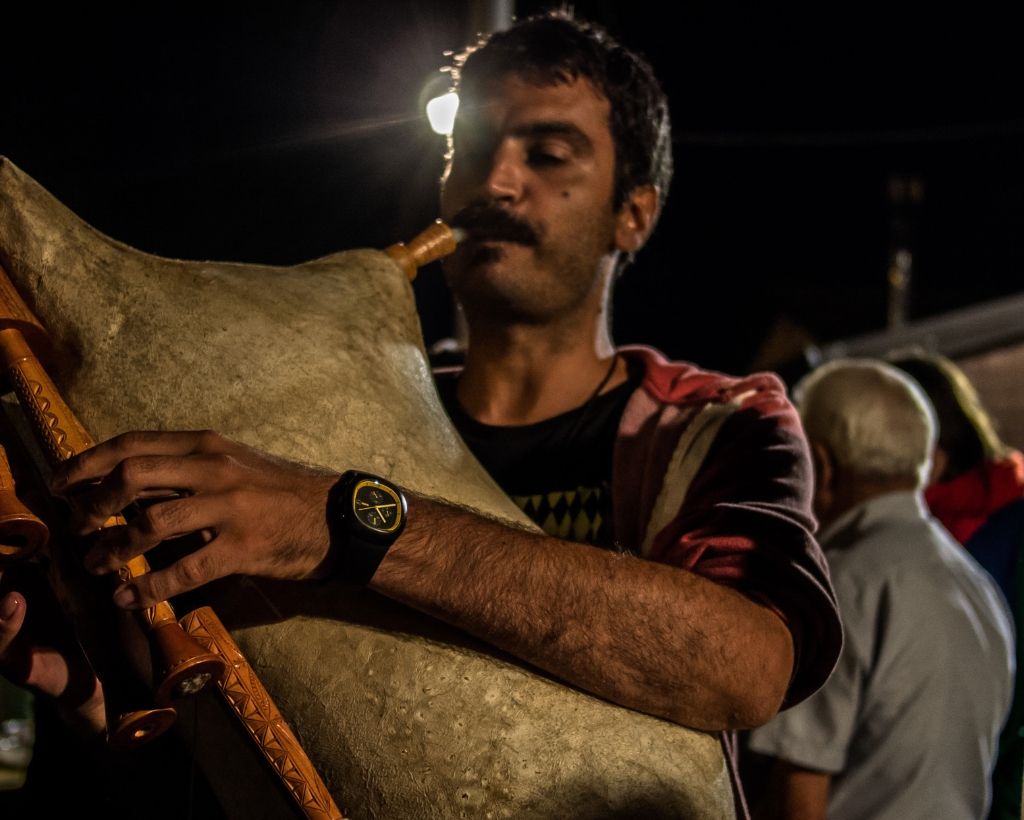
“This is currently my main area of research,” Ferlaino says. “Historically, the zampogna [bagpipe] and other instruments and sounding-producing objects were made with locally-sourced materials, and many still are today. When instrument makers rely on materials that grow in their own communities, sustainability is inevitable. They also observed specific harvesting periods and techniques, demonstrating respect for natural cycles. Furthermore, many practices and rituals configure sound as a preferred means of interspecies communication. Analysing both the instruments and how they are used reveals a relational way of inhabiting the environment—an approach that differs greatly from the extractive practices characteristic of modern society.”
For generations, this knowledge was passed down orally in Conflenti, making it susceptible to being lost. This raises another question: could new technologies help preserve these instruments, or would they undermine traditional craftsmanship? The festival offers the best solution by combining technological innovation with artisanal knowledge.
“We have just opened a permanent zampogna-making workshop, which also features a 3D printer.” Ferlaino explains. “We believe that 3D-printed zampogne could provide a more affordable way for beginners to learn the instrument, making them a fantastic educational resource. However, 3D printing cannot replace artisanal production. Our concern extends beyond the object itself to the processes involved in its creation. It is essential to preserve the non-discursive, embodied, and relational knowledge that emerges in artisanal production.”
From bridging the generational gap to fostering intergenerational transmission and building community through the Calabrian tarantella, Felici & Conflenti seems to have found a winning formula. But is there really a secret to its success?
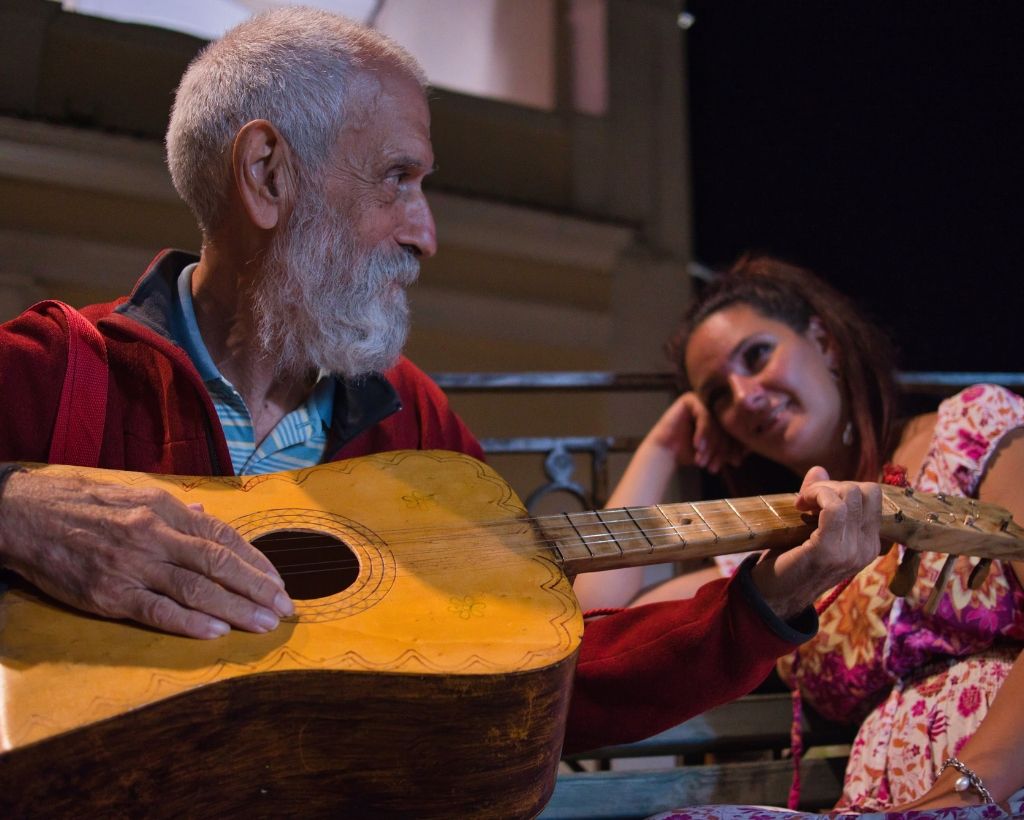
“There are no secrets,” Ferlaino says. “Our team consists of people who are passionate about traditional music and crafts. We learned music from our elders as a fundamental component of social life. In Calabrian music, sonic phenomena and social processes are inseparable.”
Focusing only on what is audible would reduce music to an object. For Ferliano, this distinction is crucial: music cannit be separated from the social relationships and cultural practices that give it meaning. This is why he even struggles to define Felici & Conflenti as a festival.
“Although we organise concerts,” he explains, “our primary focus is not on staging performances as artefacts. We organise celebrations that bring together music, dance and banquets to recreate the social settings in which traditional music originally existed. I believe this is what resonates most with participants: the genuine, welcoming way in which we bring people together through music.”

