


The future of living well
Why modern homes need more than design
A new approach to home building is emerging, one that prioritises wellbeing, emotional connection, simplicity, and human-centred design. Today’s homes are no longer defined only by aesthetics, but by how they make people feel.
Since the end of World War II, the idea of the dream home was often associated with size, luxury finishes, and visual impact. Architecture and interior design focused heavily on appearance: impressive kitchens, open-plan spaces, expensive materials, and statement pieces designed to communicate status and success.
But something is changing.
In cities like Melbourne, where architecture continues to evolve alongside increasingly fast-paced lifestyles, a growing number of homeowners are beginning to ask a different question. Instead of simply asking, “How should my home look?”, they are asking, “How should my home make me feel?”
The shift may seem subtle, but it reflects a profound transformation in the way people understand the meaning of living spaces.
Today, the conversation around housing is no longer limited to aesthetics or functionality alone. Increasingly, architects, designers, psychologists, and wellness experts are recognising that homes have a direct influence on emotional wellbeing, stress levels, productivity, relationships, and even physical health.
The pandemic accelerated this awareness dramatically. As homes became offices, schools, gyms, and places of refuge all at once, many people realised that the environments they lived in were affecting them more deeply than they had ever imagined.
A poorly designed home could create anxiety, tension, noise, disorganisation, and emotional fatigue. A well-designed one, on the other hand, could foster calm, connection, focus, and balance.
This growing awareness is now shaping an entirely new philosophy of residential design — one that places the human experience at the centre of architecture.
One of the biggest challenges modern homeowners face is the overwhelming complexity of the building and renovation process itself. Traditionally, projects are fragmented between multiple professionals: architects, builders, consultants, suppliers, engineers, interior designers, tradespeople, and project managers. Each works within their own framework, often leaving the client responsible for navigating endless decisions and communication gaps.
What begins as an exciting life milestone can quickly become emotionally exhausting.
As a result, many contemporary design studios and construction groups are beginning to adopt more integrated models, where collaboration, communication, and emotional guidance become just as important as technical expertise.
The goal is not simply to build houses faster, but to create a more human experience around the process itself.
This evolution is closely connected to another growing movement within architecture: wellness-focused design.
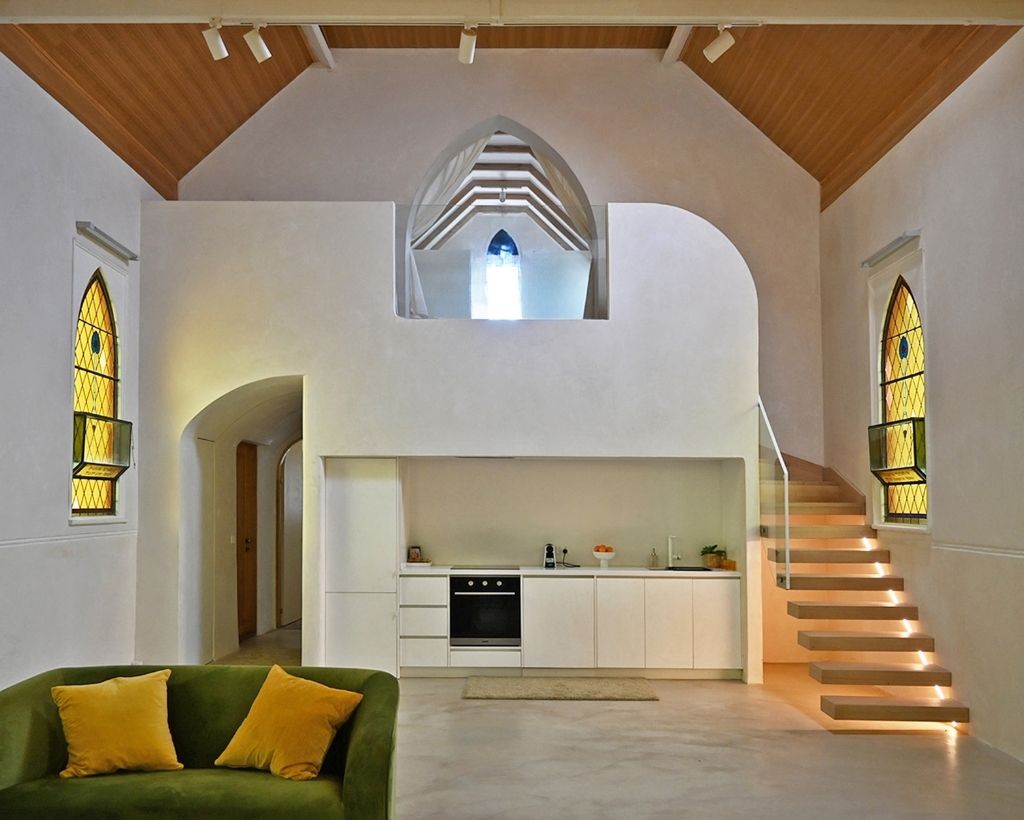
Wellness design goes beyond visual beauty. It explores how light, materials, acoustics, colour palettes, airflow, spatial proportions, and movement patterns affect the emotional state of the people who inhabit a space.
Natural light, for example, has been shown to improve mood, sleep quality, and productivity. The flow between rooms can influence stress levels and social interaction. Materials such as timber, natural stone, and textured fabrics often create a greater sense of warmth and psychological comfort.
Even silence has become a luxury.
As urban life grows noisier and more digitally saturated, homeowners increasingly seek spaces that offer emotional calm and sensory balance. This has led to a renewed interest in homes designed not merely as efficient machines for living, but as environments that nurture wellbeing.
Interestingly, many of these ideas are deeply connected to traditional Italian approaches to living.
Italian design has long understood the home as something more than a functional structure. In Italy, homes have historically been places of gathering, ritual, beauty, conversation, and emotional connection. Meals are shared slowly, natural light is valued instinctively, and spaces are designed around human interaction rather than rigid efficiency.
Italian architecture and interiors have always balanced elegance with warmth.
This philosophy continues to influence many contemporary designers around the world, particularly in Melbourne, where European aesthetics increasingly merge with modern Australian lifestyles.
Today’s most innovative homes often combine clean contemporary lines with softer, more emotional elements: tactile materials, warmer lighting, flexible social spaces, natural textures, and interiors designed to evolve with everyday life.
There is also a growing recognition that true luxury has changed.
For previous generations, luxury was often associated with excess—larger homes, elaborate decoration, and visible opulence. But modern luxury is becoming quieter and more personal.
It is found in clarity, simplicity, time, and emotional ease.
Spaces that reduce stress instead of creating it. Homes designed to support wellbeing rather than overwhelm the senses. These are the elements of a well-organised building process, and increasingly becoming the new markers of sophistication.
The rise of integrated design approaches reflects this transformation. More homeowners are now looking for professionals who can guide them holistically— bringing together architecture, interiors, construction, furnishing, and emotional understanding into one coherent vision.
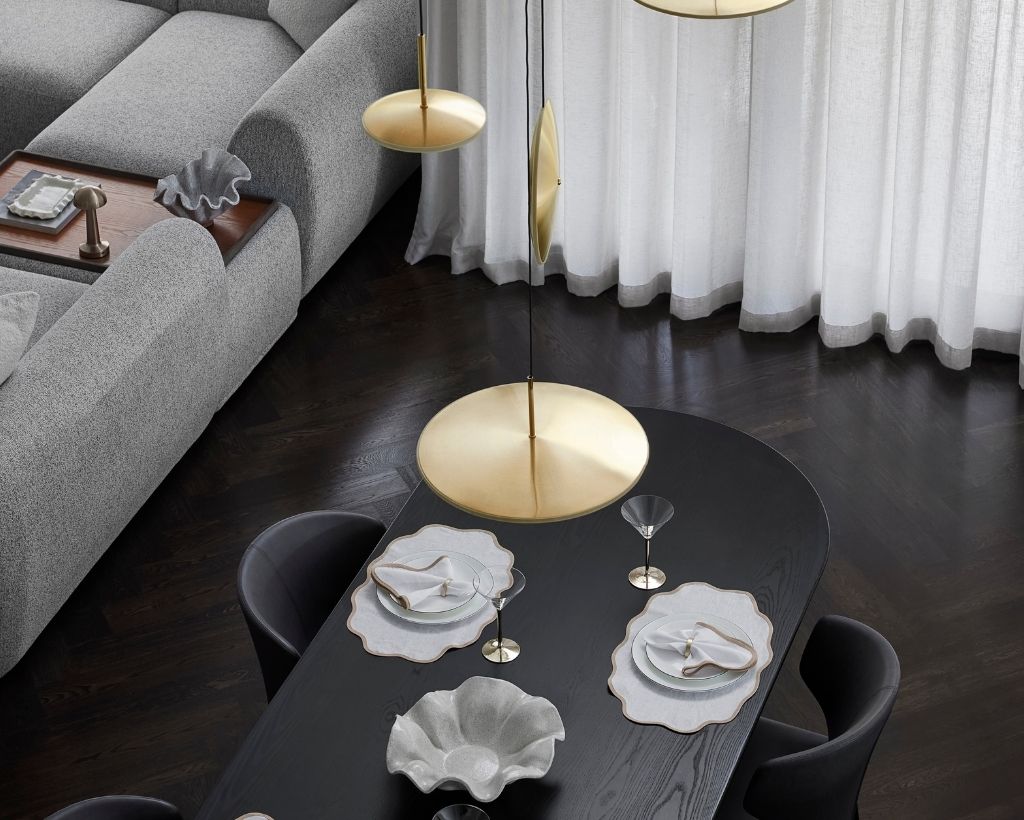
This approach not only reduces confusion but also creates homes with greater consistency and long-term value.
Importantly, this new direction is not about creating perfection. It is about creating authenticity.
The most meaningful homes today are not necessarily the most extravagant. They are the ones that genuinely reflect the identity, rhythms, and emotional needs of the people who live within them.
In many ways, the future of architecture may become less about buildings themselves and more about the experiences they create.
As cities continue to grow denser and life becomes increasingly accelerated, homes are taking on a new cultural importance. They are becoming places where people seek restoration, calm, belonging, and emotional grounding.
This is why the conversation around design is expanding beyond aesthetics into psychology, wellbeing, and human behaviour. A beautiful house is no longer enough. People want homes that listen to them, support them, and evolve with them. Homes that feel human.
And perhaps this is the most important transformation of all: the understanding that architecture is not only about constructing spaces, but about shaping the way we live, feel, and connect with the world around us.

