


Reinventing poster art
The innovative vision behind Black Sheep posters
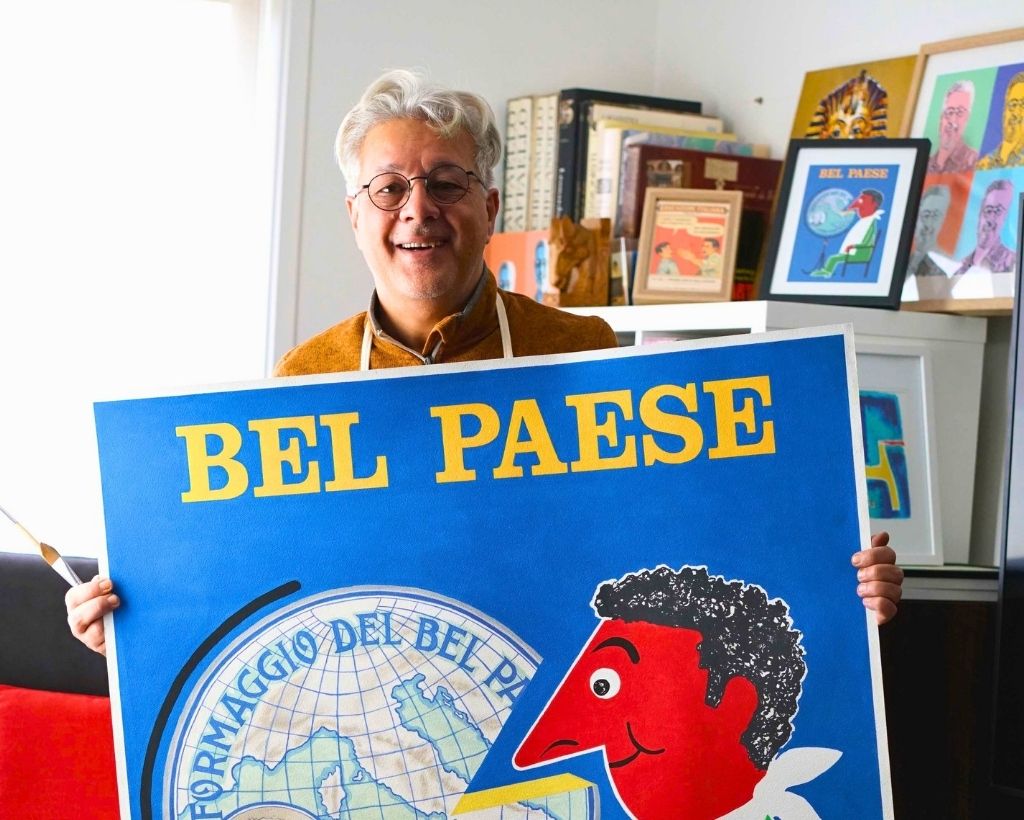
Black Sheep Posters transforms the textures of Italian life into contemporary visual storytelling, blending the vintage Italian poster art with modern graphic minimalism through the artistic vision of founder Sebastiano Motta.
Founded in Melbourne by Italian-Australian designer Sebastiano Motta, Black Sheep Posters reinterprets vintage Italian graphic culture through contemporary poster design. Drawing on classic travel posters, café signage, cinema advertising, and mid-century street graphics, Motta’s brand transforms poster art into both modern visual storytelling and a business model rooted in the enduring appeal of the Made in Italy identity.
Rather than reproducing nostalgia, Black Sheep Posters reimagines these visual traditions through a contemporary lens. The result is a collection of works that feel simultaneously vintage and modern: clean graphic compositions infused with the emotional warmth and recognisable atmosphere of Italy itself.
Fascinated by comic books and visual storytelling from an early age, he spent countless hours redrawing superhero imagery, studying bold outlines, dramatic compositions, halftone textures, and expressive colour. That curiosity eventually led him to art school, studying illustration, and then working in graphic design, and advertising.
At the same time as the great Italian comic masters taught him the emotional power of strong lines, simplified forms and expressive visual language, influences included late 19th and early 20th century European artists such as Henri de Toulouse-Lautrec, Gustav Klimt, and Egon Schiele.
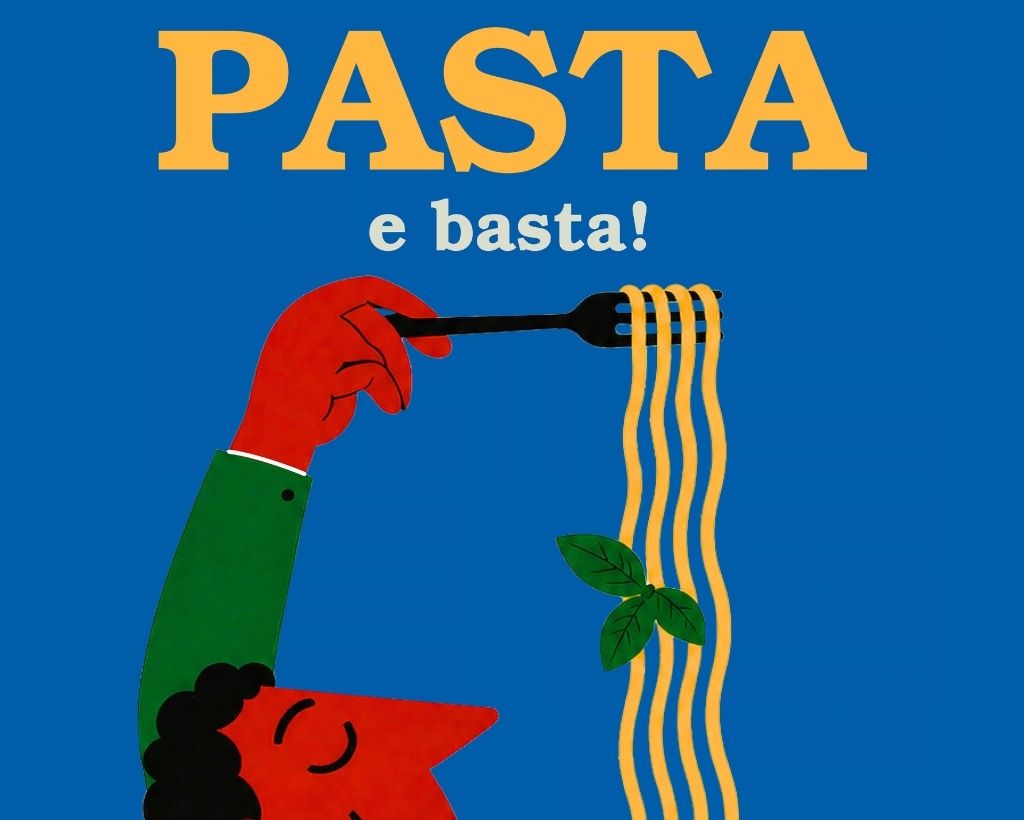
Photography also became central to his creative process. Many Black Sheep Posters artworks begin through original photographs, sketches, visual references that he later reinterprets digitally into simplified graphic compositions.
Motta was particularly influenced by vintage Italian posters and street advertising, where graphic design merged beauty with functionality. From film posters to tourism campaigns and café advertisements displayed at railway stations, in restaurants and public squares, these images were designed to stop pedestrians in their tracks, communicate instantly, and transform commerce into culture.
One of the strongest influences was the world of vintage Italian posters and street advertising. Long before digital advertising, posters represented one of Italy’s most democratic and influential artistic forms: public images designed to stop pedestrians in their tracks, communicate instantly, and transform cultural identity into commerce. A single composition could sell a destination, a movie, a bottle of wine, or a simple espresso while simultaneously creating aspiration and emotion.
That philosophy now sits at the centre of Black Sheep Posters.
After years working between Como and Milan, Motta returned to Australia carrying vivid memories of Italian everyday life—espresso bars, crowded piazzas, handwritten menus, old shop fronts, and long summer lunches—which became central to the brand’s visual language.

Those memories became the foundation for a visual style that sits somewhere between collectible poster art, contemporary branding, and cultural storytelling.
Even the name reflects that independent spirit.
For Motta, posters are one of the most accessible forms of art, existing within homes, bars, restaurants, cafés, wine shops, hotels. They are a central feature of daily life. That accessibility is precisely what makes vintage Italian poster culture so influential globally—and why it continues to resonate within contemporary hospitality, interior design, and lifestyle branding today.
Black Sheep Posters taps into this tradition by transforming familiar symbols of Italian culture into instantly recognisable visual narratives. The works reference the Italy of classic cinema, post-war optimism, trattoria culture, summer holidays, and iconic figures associated with Italian style and film history, including Sophia Loren, Marcello Mastroianni, Vittorio De Sica, and Alberto Sordi.
Yet the project never feels trapped in imitation. Motta strips imagery back to essential forms, bold colours, and strong compositions that communicate immediately—echoing the efficiency and elegance that made Italian poster design globally influential throughout the twentieth century.
“It has to stop you,” Motta explains. “Make you smile. Make you recognise something.”
That recognition often emerges through food, one of the strongest emotional symbols within Italian identity and one of the most powerful expressions of the Made in Italy brand internationally.
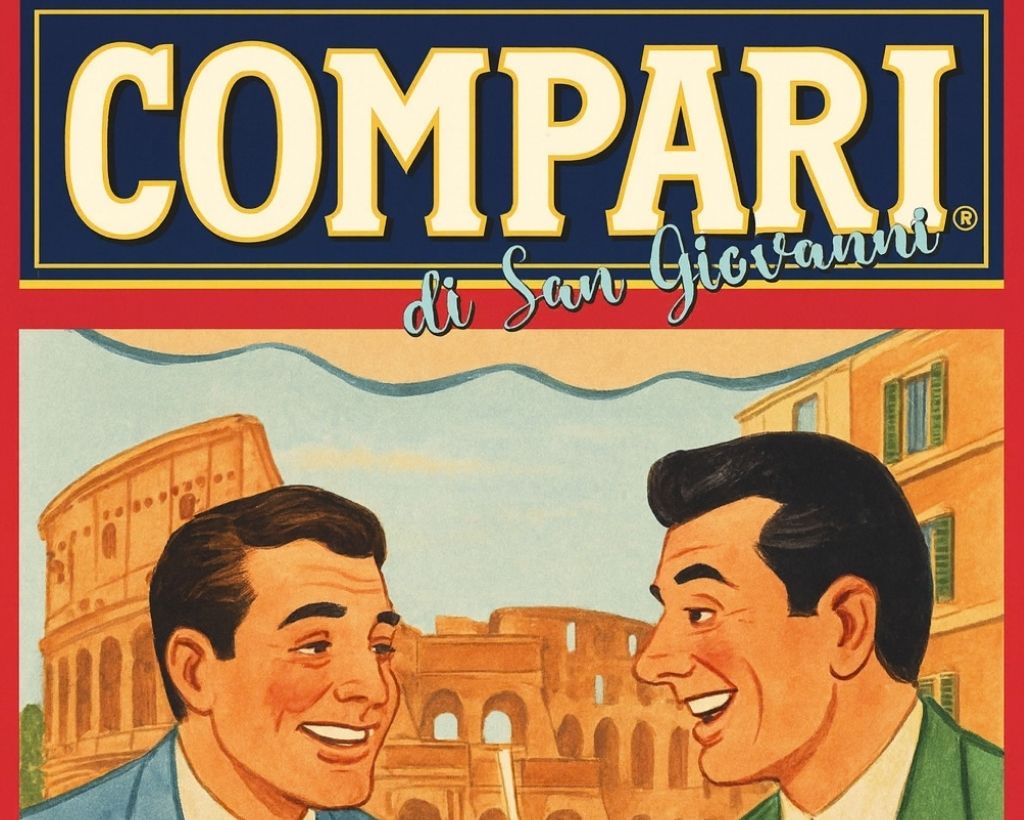
Several poster series reinterpret everyday Italian staples such as pasta, espresso, bread, wine, regional specialties, and trattoria culture. But these are not treated as clichés or tourist symbols. Instead, they become visual shorthand for memory, migration, family, ritual, and belonging.
A plate of pasta becomes more than food. It becomes cultural storytelling.
Importantly, the project also reflects a broader return to craftsmanship and slower production within contemporary creative industries. Every artwork begins personally through photography, drawing, composition, and digital refinement before being printed in carefully managed small runs using quality materials and detailed finishing.
Black Sheep Posters deliberately distances itself from anonymous mass production. Each piece is conceived more like a collectible artefact than disposable decoration—positioning poster art itself as a contemporary extension of Italy’s artisanal and design traditions.
That philosophy aligns naturally with the wider global strength of the Made in Italy identity: the idea that design, atmosphere, craftsmanship, and emotional experience possess cultural and commercial value simultaneously.
Restaurants, cafés, wine bars, boutique hotels, and hospitality spaces represent a natural environment for these works, particularly those seeking authentic atmosphere rather than generic décor. But the appeal extends far beyond Italian audiences alone.
One does not necessarily need to be Italian to connect with these images. It is enough to recognise a feeling: an espresso standing at a crowded bar, a handwritten menu outside a trattoria, a Vespa parked beneath fading cinema posters, or the warmth of a long summer lunch shared slowly among friends.
Black Sheep Posters does not simply reproduce Italy aesthetically. It captures the emotional architecture behind it.
And in doing so, it demonstrates how vintage poster art, graphic storytelling, and cultural memory can themselves become a modern creative business—one capable of translating the enduring spirit of Made in Italy into contemporary visual culture.

