


Listening to others
Music as a human encounter
The Young Jury of the Guido Cantelli International Conducting Competition reflects on music as a space of empathy, dialogue, and human connection, where identity, sensitivity, and listening become as important as technical perfection.
There are experiences that go beyond the idea of competition, and according to the Young Jury of the Guido Cantelli International Conducting Competition, this prestigious event is one of them.
Certainly, the context is built around discipline, preparation, technical excellence, and years of musical study. Yet beneath the surface exists something far more human and profound: the encounter between individuals capable of communicating through music even before words are spoken.
For the members of the Young Jury, their role was never simply about evaluating performances or assigning judgments. Instead, it became an attempt to recognise what exists behind each interpretation.
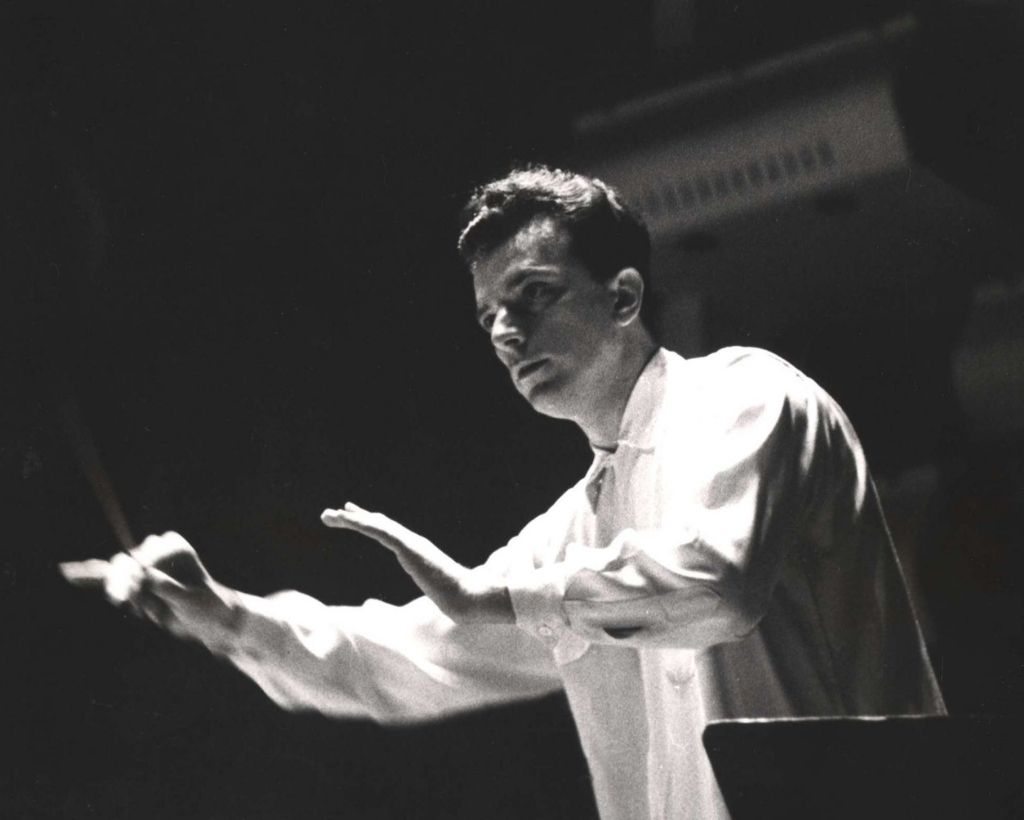
Every conductor who steps onto the stage brings years of training, precision, and discipline. But they also carry something far more invisible and fragile: their identity. They bring their own way of seeing the world, their experiences, fears, sensitivities, and emotional perspectives. And perhaps it is precisely these deeply personal elements, often intangible, that make each interpretation unique.
We live in a time where almost everything seems required to be measured, classified, compared, and judged according to immediately visible standards. Yet art continues to resist this logic. Music cannot be reduced to precision and technical control alone. There is always a human, spontaneous, and free dimension that simply cannot be quantified. And it is exactly there that emotion begins.
In that space, a musical performance stops being merely correct and instead becomes something alive—an expression that carries something of the performer’s inner world.
This is why the Empathy Award within the Cantelli Prize holds such significance for the Young Jury. It is not viewed as a secondary or symbolic recognition, but rather as an attempt to bring back a fundamental question: what truly moves us about an artist?
Technical perfection may be the first thing we notice, but what ultimately leaves a lasting impression is something else entirely: the ability to create connection, to generate listening, and to reveal oneself honestly through music.
The role of the orchestra conductor contains a fascinating paradox. To conduct means guiding many individual personalities toward a shared destination without erasing their individuality. Every orchestra is made up of different people, each with their own character, sensitivity, and way of experiencing sound. The conductor becomes the person capable of creating an invisible dialogue—an exchange of energy and emotion moving through a collective sound.
And perhaps this is where music becomes one of humanity’s highest forms of coexistence: in the constant tension between individuality and shared harmony.
Watching young conductors arrive from different parts of the world also means encountering different ways of living music itself. Each candidate brings to the stage not only technical preparation, but also the beauty of their own culture, the influence of their education, and the weight of their personal history.
The Young Jury believes that knowledge is one of the deepest forms of freedom. People fear what they do not understand. Distance grows when we stop truly listening to one another. Music, however, invites us to enter another person’s sensitivity. It opens a space for dialogue, attention, empathy, and reciprocal listening.
In an age increasingly marked by speed, fragmentation, and the inability to slow down and truly listen, experiences like the Cantelli Prize take on even greater importance. The competition itself carries an extraordinary legacy connected to the figure of Guido Cantelli, remembered as a conductor capable of uniting technical precision with emotional intensity, rigor with humanity.
This legacy is also reflected in the philosophy of the Prize: supporting young artists not only for their technical excellence, but also—and above all—for their personality, humanity, and sensitivity.
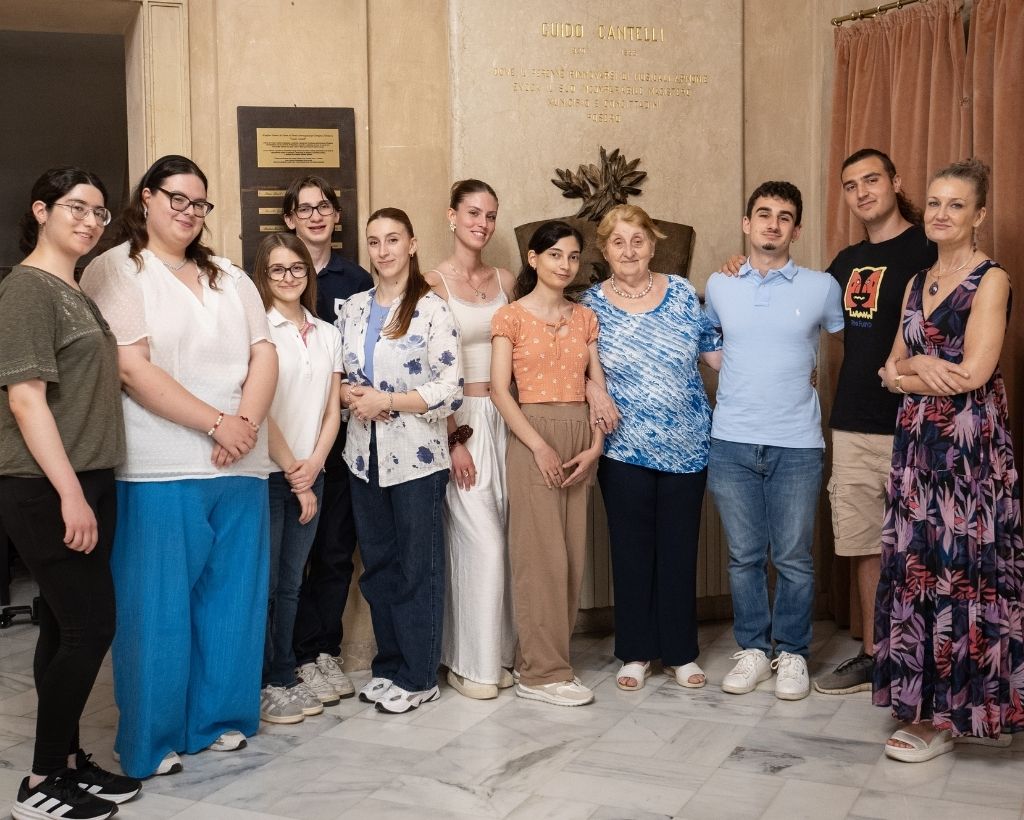
The Young Jury approaches this experience with openness, curiosity, and responsibility. Its members come from different backgrounds, generations, and personal experiences, yet they are united by a shared belief: that music can still remain an authentic space of human encounter. In this sense, the role of the Cantelli Prize is to invite listening beyond surface impressions and to recognise the shared humanity that emerges in musical interpretation.
Because perhaps true talent is not simply the ability to impress. Perhaps true talent is the ability to leave an emotional trace within others—to make, even for a brief moment, the distant between people feel smaller.

