


Design that honours place and history
Domenico De Rito's Restoration of Calabria's rural heritage
Architect Domenico De Rito is reviving Calabria’s rural heritage by restoring historic ruins with sustainable methods, belnding memory, landscape, and tradition to promote responsible tourism and renew the region’s architectural identity.
In the heart of Calabria, rural architecture is undergoing a process of rediscovery and enhancement. Domenico De Rito’s restoration project in the Calabria Citra area shows how respect for historical memory can meet the challenges of sustainability and landscape rehabilitation. The restoration of a farmhouse in Cirella, in the municipality of Diamante is nearing completion. The project aims not only to breathe new life into the area but also to forge a renewed identity that unites tradition and innovation.
For De Rito, restoration becomes a means to rediscovering Calabria’s history—from the traces left by ancient civilizations to more contemporary transformations of the landscape. Above all, it invites reflection on sustainability and the value of preserving rural heritage. In an era marked by cementification and decay, De Rito’s work represents a forward-looking challenge that remains firmly connected to the past and deeply respectful of the environment.
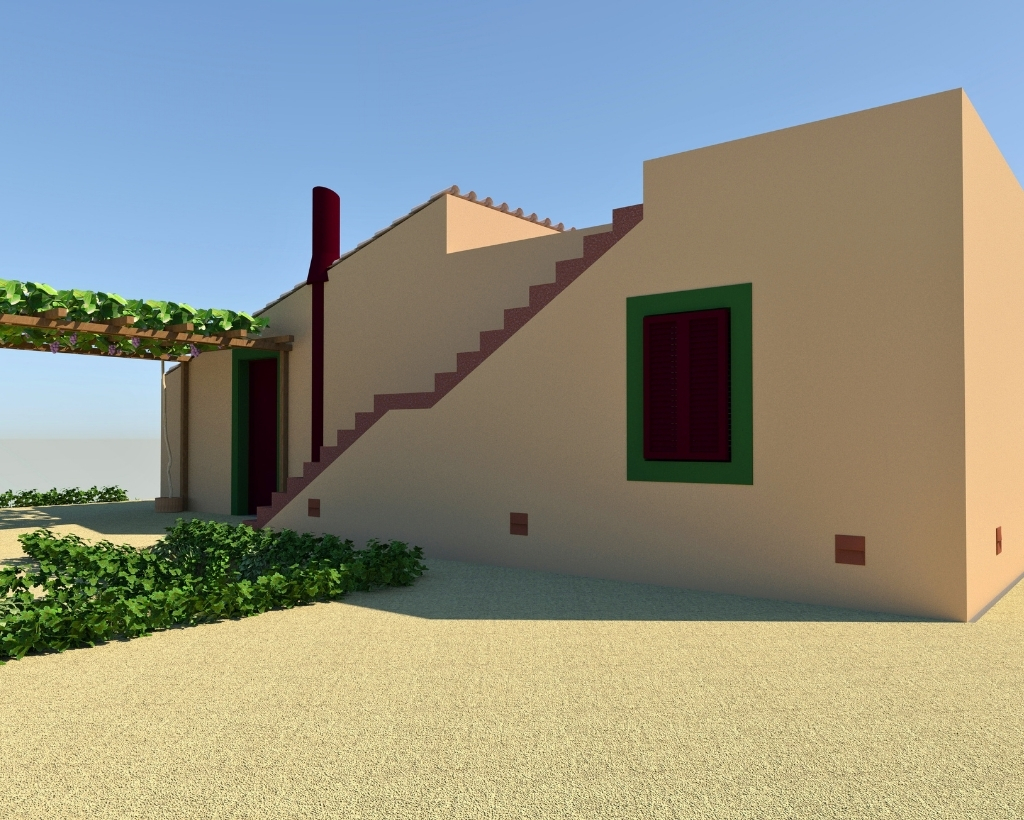
The farmhouse restoration provided a space for collaboration and shared reflection between De Rito and his client—a New York–born individual who is now Calabrian by adoption.
“The project gave us an opportunity to share thoughts, ideas, and considerations about our land, how we remember it, and how it has changed in recent times,” De Rito explains. “Images of the Calabrian landscape parade through memory like snapshots. Dense vegetation, the intense colours of vineyards, bougainvillea, agaves, and prickly pears, mingle with the scent of citrus blossoms, carob trees, and olive trees—hallmarks of the region’s native flora.”
Interwoven with this natural beauty are traces of the countless civilizations that shaped Calabria: Greeks, Romans, Byzantines, Swabians, Normans, and Angevins. Architecture in warm earth tones, built from primordial materials, embodies the region’s rich, layered history.
The farmhouse restoration grew into an ambitious project focused on landscape protection, land restoration, and sustainability.
“My client and I committed ourselves to restoring its rural heritage,” say De Rito. “Small ruins scattered across the hillside areas overlooking the sea were carefully restored, preserving their original dimensions, forms, and materials.”
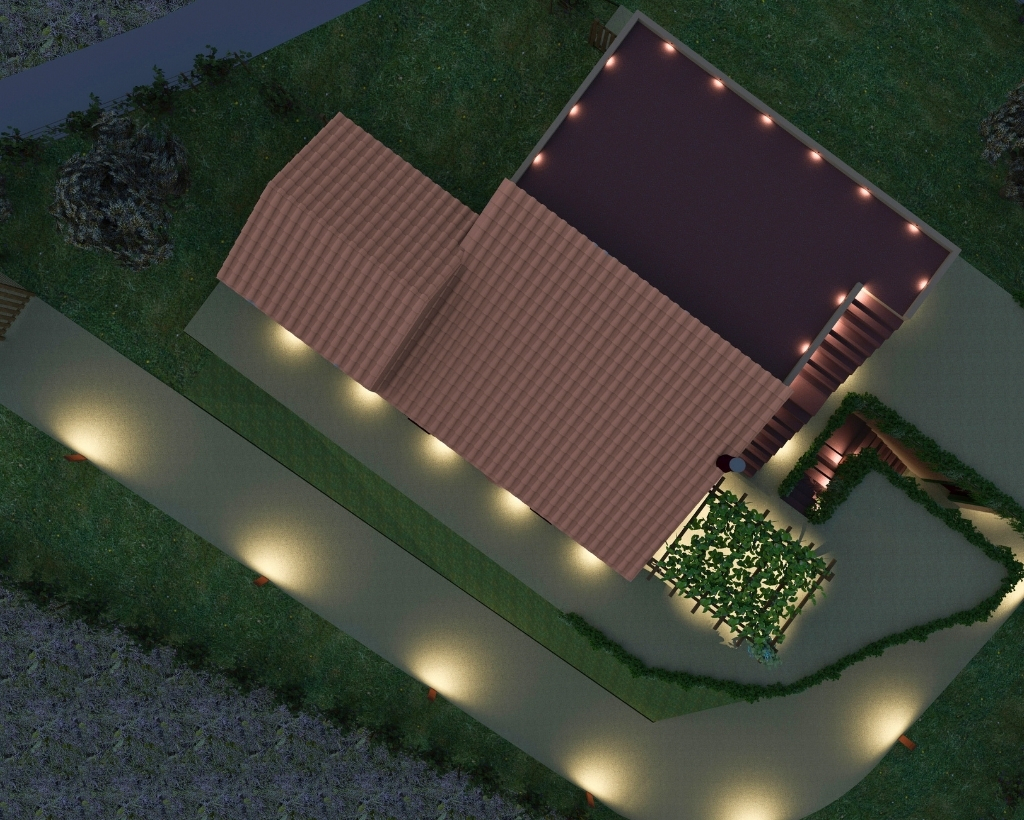
These ruins have been transformed into tools of sustainability, enhancing the existing environment while reorganizing the balance between human intervention and nature. The restored structures offer a new vision for sustainable tourism and provide a countermeasure against coastal cementification and uncontrolled land use.
“The ultimate challenge is to return Calabria’s rural landscapes to their unique character—landscapes of gentle, respectful light, enriched by architecture that preserves collective memory,” De Rito concludes. “Our landscapes are part of our identity, telling the story of the civilizations that came before. The philosophy behind this approach is captured in the logo PAESAGGI (‘landscapes’).”
De Rito’s studio is developing a restoration project that leverages the natural terrain to create underground spaces for a cellar and other functions—archaeologically referred to as hypogeal structures. Located in the Lauro district of Maierà, overlooking the island of Cirella and just over a kilometre from the Tyrrhenian SS 18 highway, the ruin will be repurposed as a hospitality venue focused on food and wine.
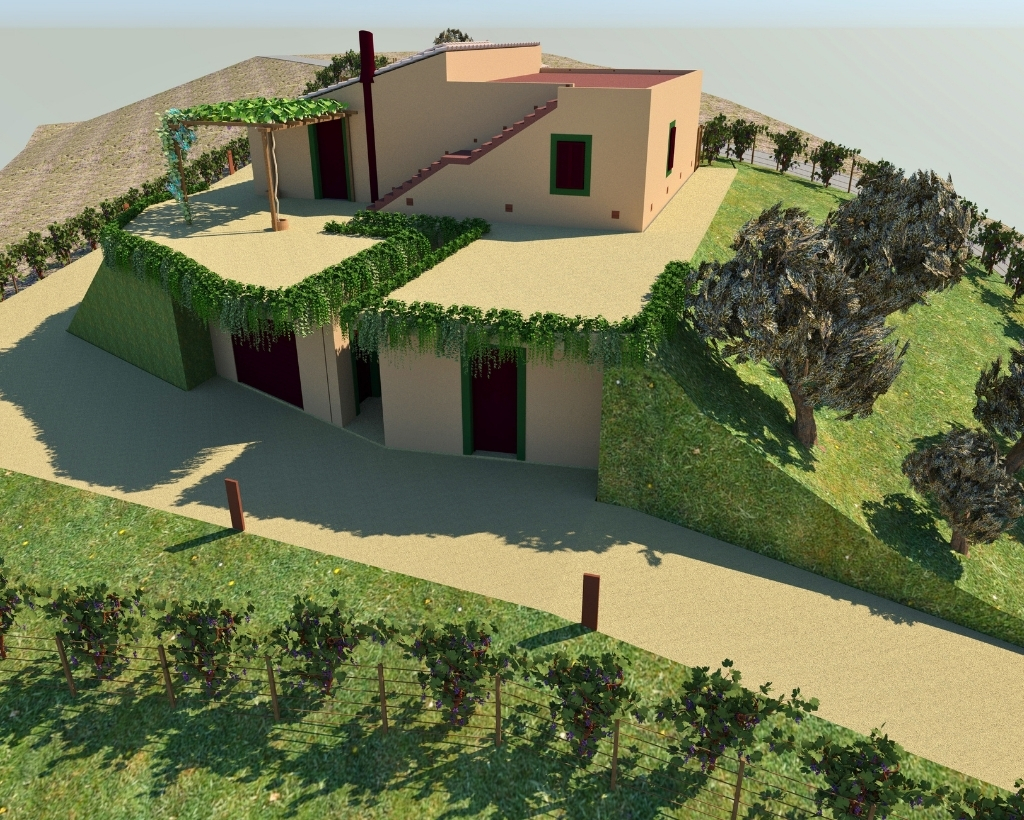
This approach aligns with the region’s traditional agricultural vocation, where native grape varieties and fruits such as citron, figs, and almonds continue to thrive. The Lauro district is envisioned as an educational hub, hosting “taste workshops” to showcase Calabrian excellence in wine and agri-food production. By cultivating vines and experimenting with native grape varieties, the project reconnects with Calabria’s ancient Enotria heritage and its enduring wine culture.
Some hypogeal spaces will also showcase the history, art, and craftsmanship of Calabria, highlighting the rich cultural heritage lying just beneath the surface of this often-overlooked region.

