


Co-authoring culture
Re-adaptation and exchange of Italian cultural forms in Australia
Italian design, architecture and art across Australian urban and rural settings reveal ongoing cultural re-adaptation within a diverse society shaped by immigration.
Italian cultural forms within Australia’s design culture, built environment, and artistic landscape are not static inheritances of migration, but dynamic practices of exchange and re-adaptation. This does not erase their cultural origins. Instead, when integrated into new contexts, they are reinterpreted through everyday life—in domestic interiors, suburban architecture, and public cultural events—where shared authorship can coexist.
While these practices are evident across the country, they are particularly evident in Melbourne, where Italian-Australian communities have historically been concentrated and culturally influential. Melbourne thus provides a focused lens through which processes of re-adaptation can be observed.
The circulation of Italian furniture and domestic objects offers a compelling site of this re-adaptation. Unlike artworks confined to institutional spaces, design operates at the intersection of aesthetics and utility. Italian forms are not simply preserved in Australia; through daily use, they inhabit new spatial contexts and social rhythms.
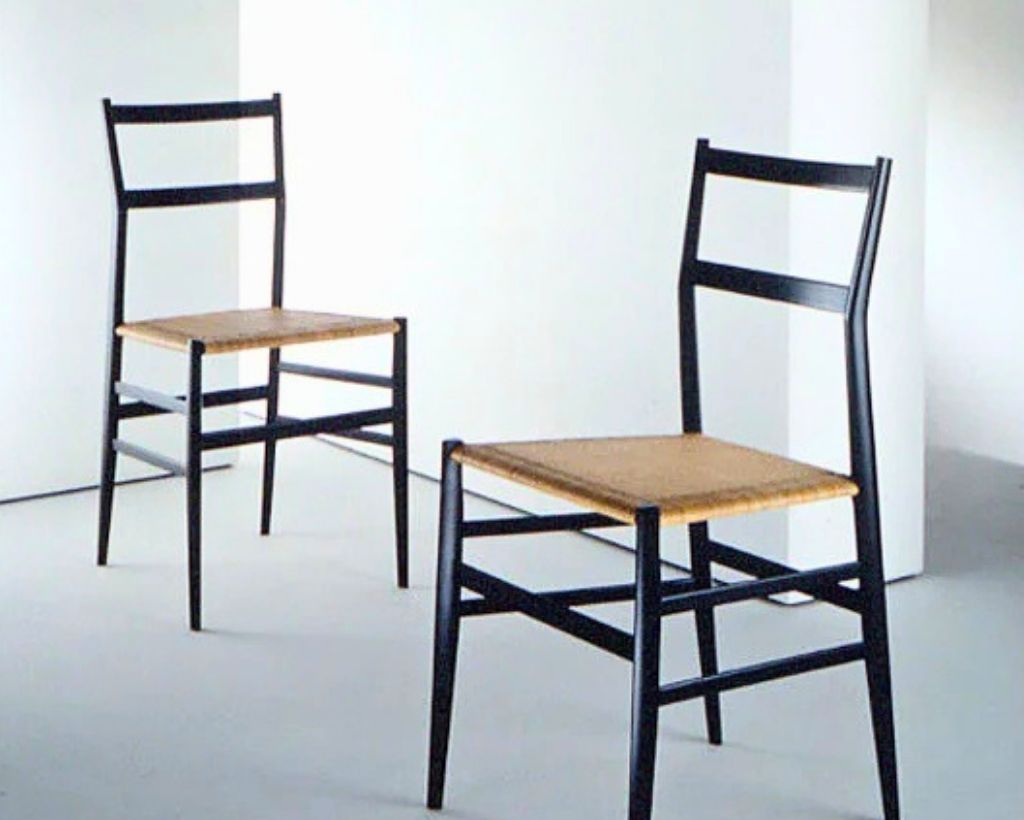
Modernist and post-war designers such as Gio Ponti, Achille and Pier Giacomo Castiglioni, and Vico Magistretti produced works deeply rooted in Italian industrial and cultural conditions yet intentionally created for mass circulation. Ponti’s Superleggera chair, Magistretti’s Carimate chair, and the Castiglioni brothers’ Arco lamp now appear in interiors across Australia, with particular visibility in Melbourne. From private homes to cafés and commercial spaces, they do not function as historical artefacts but as active, functional presences.
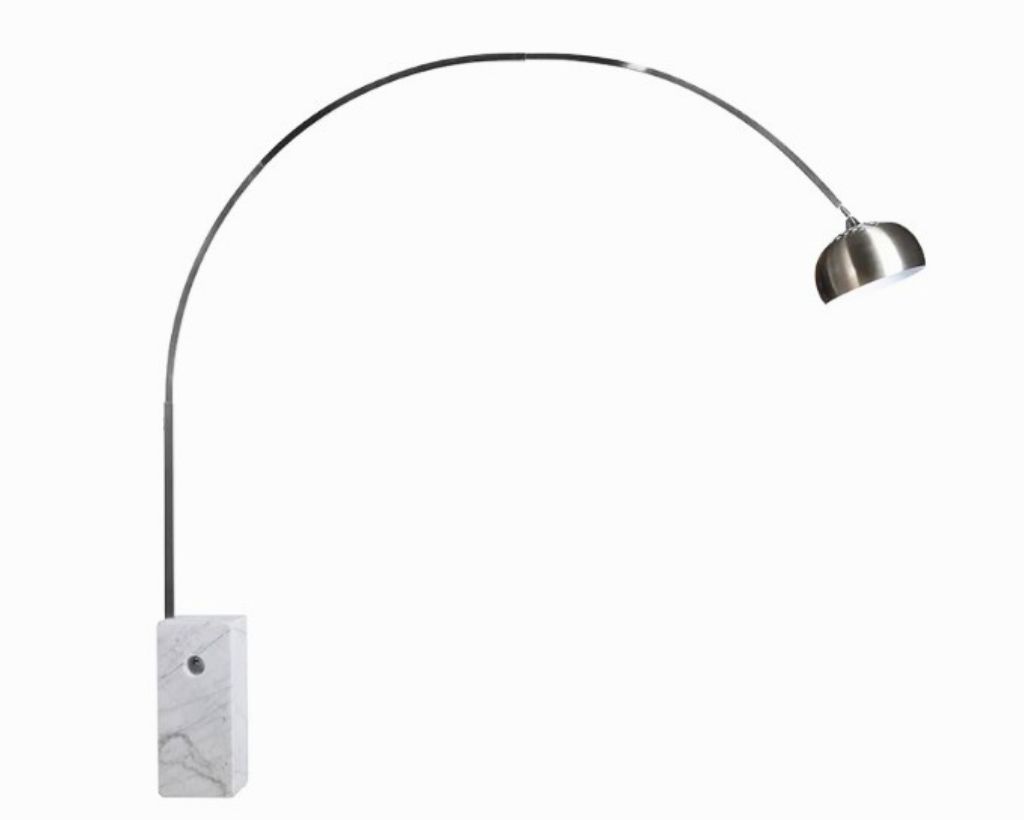
These objects frequently appear as licensed reproductions, reinterpretations, or stylistic quotations. While their formal language retains Italian origins, their meaning is generated through use rather than provenance. Heritage becomes implicit rather than declared. A chair conceived for mid-century Italian domestic life now anchors contemporary Australian routines — hosting conversations, meals and work—transforming design into a lived cultural interface.
Italian design in Australia thus operates as a living archive. Culture survives not through preservation alone, but through circulation and re-application. Italian design does not necessarily lose its authenticity through global use; instead, it gains new life through local integration, reinforcing the idea that cultural exchange is sustained through practice and re-adaptation rather than preservation.
Architecture offers another compelling site of this exchange—one that dates back at least to the 1860s, as evidenced by Villa Parma and the Macaroni Factory in the Victorian country town of Hepburn Springs. It was during post-World War II migration, however, that this exchange became especially prominent, as Italian families settled across Australian cities, including Melbourne, Sydney and Adelaide. In suburbs such as Brunswick, Carlton, Preston, Coburg and Reservoir in Melbourne—alongside comparable migrant districts nationally—many Italian families initially occupied modest boarding houses or Victorian terraces while saving money to buy land further out.
As their economic stability grew, these communities constructed homes that adapted Italian domestic spatial logic to Australian suburban conditions. Arched patios, decorative columns, curved brickwork, verandahs and balconies reflect vernacular reinterpretations of Mediterranean forms. These houses were not replicas of origin but functional adaptations. Migrant builders drew on familiar arches, tiled verandahs, courtyards and wrought iron, recalibrating these elements for Australian climates through wide eaves and shaded outdoor spaces suited to extended family life.
Subsequent generations re-imagine these homes as markers of heritage identity, even as renovations transform them. Architecture becomes a site of negotiation—not a monument to origin, but an evolving record of cultural exchange embedded in the Australian suburban landscape.

Film events provide a further dimension to this exchange, particularly through the St. Ali Italian Film Festival, the country’s longest-running Italian cultural festival. Originally hosted in Melbourne and Sydney but now touring nationally, the festival operates as a diasporic meeting ground rather than a simple showcase of national cinema.
Subtitled screenings invite cross-cultural audiences into narratives that frequently address migration, labour, gender and family—themes resonant within cultures other than Italian. In this context, spectatorship becomes a form of translation. Italian stories are neither solely “about Italy” nor absorbed seamlessly into Australian frameworks; they are interpreted, debated and re-situated through audience reception. Meaning emerges collaboratively, shaped by context as much as by origin.
Across design, architecture and film, Italian culture in Australia—and most visibly in Melbourne—demonstrates that heritage is not diluted by movement but renewed through adaptation. These practices dissolve rigid notions of singular ownership and instead frame culture as shared custodianship. Italian elements are not preserved as static artefacts nor reduced to nostalgic symbols; they are co-authored through lived experience.
Heritage, in this sense, is dynamic: it is collectively sustained across borders and continually reshaped through mobility. What emerges is not a loss of origin, but a model of cultural continuity grounded in exchange, circulation and practice.

