


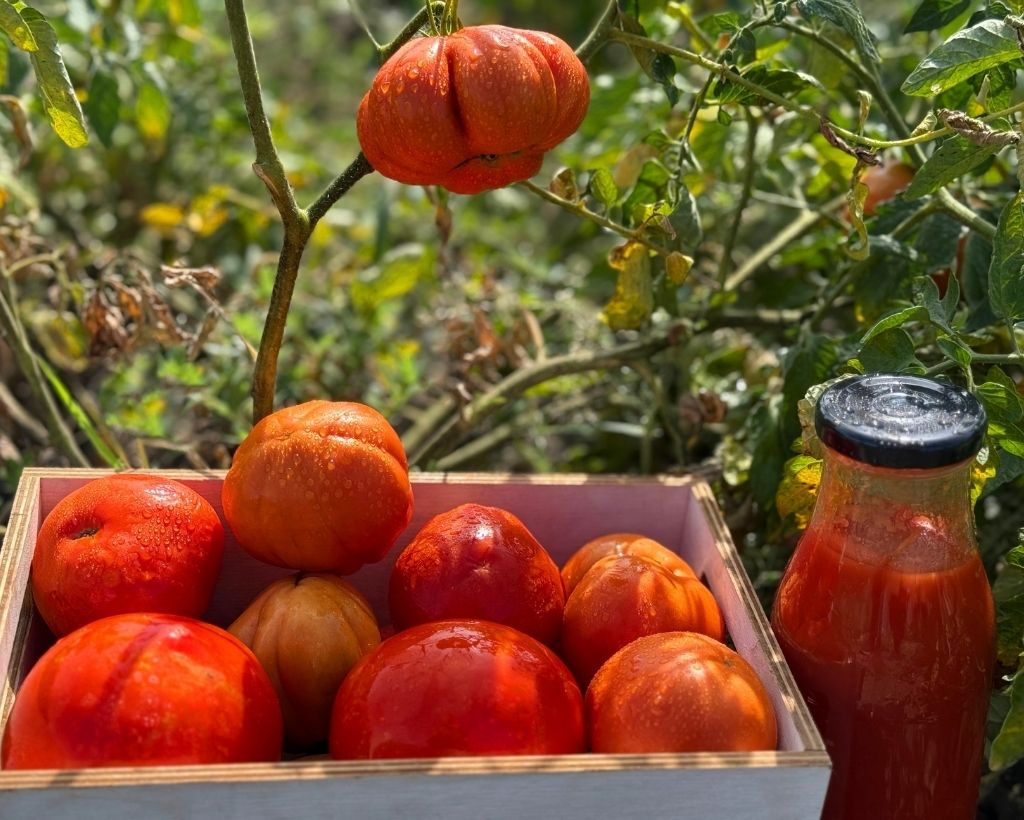
Bottled Summer
A memoir of salsa day
The smell of garlic drifted across the fence long before I saw Francesca moving among her tomatoes. It was sharp, sun-warmed, a promise. I leaned on the balcony of our early brick pioneer home, the narrow front garden baking under the Perth light, and watched her orchestrate her corner block like a conductor with a full symphony. My partner stood beside me, silently inhaling as if the scent alone could teach us the rhythm of the place.
Our small vegetable plot demanded vigilance: watering, staking, pruning, and a constant awareness of that spiders lurked beneath leaves, waiting for a careless hand. We navigated each row like careful dancers, learning the rhythm of soil and plant, learning that life in the garden was as much about attention as ambition.
Our house had a certain stubborn dignity, rough-hewn bricks, high ceilings, the faint creak of age in the floorboards. The back balcony caught the afternoon sun, spilling it across our small yard, and the front garden, pale and brittle in summer, seemed almost apologetic next to Francesca’s exuberance. She did not merely occupy her half acre, she claimed it.
Tomatoes in disciplined rows, staked with almost devotional care. Broad zucchini leaves unfurling like green banners. Eggplants hanging glossy and improbable. Basil so thick it seemed indecent.
Even before we met properly, we knew her presence. Garlic warming in olive oil would announce itself in mid-morning. By afternoon, the sweet sharpness of capsicum blistering on the barbecue filled the air. And on Sundays, the low hum of tomato and meat sauce would anchor the neighbourhood.
“You come Sunday,” Francesca called once across the fence, not asking. “I make arancini.”
We went.
The table had materialised beneath the back pergola, sun bleeding through the lattice. Plastic chairs, a floral tablecloth pinned against the Fremantle Doctor, uncles presiding with glasses of deep, homemade red. Children orbited at unsafe speeds, occasionally snatching basil or slipping beneath the table.
The arancini arrived first: golden, audacious spheres stacked high. The crust shattered under the fork, audible, satisfying, revealing saffron-stained rice steaming at its centre. Some held molten mozzarella, others ragù, rich and dark. We burned our mouths and pretended we hadn’t.
Then pasta. Always pasta.
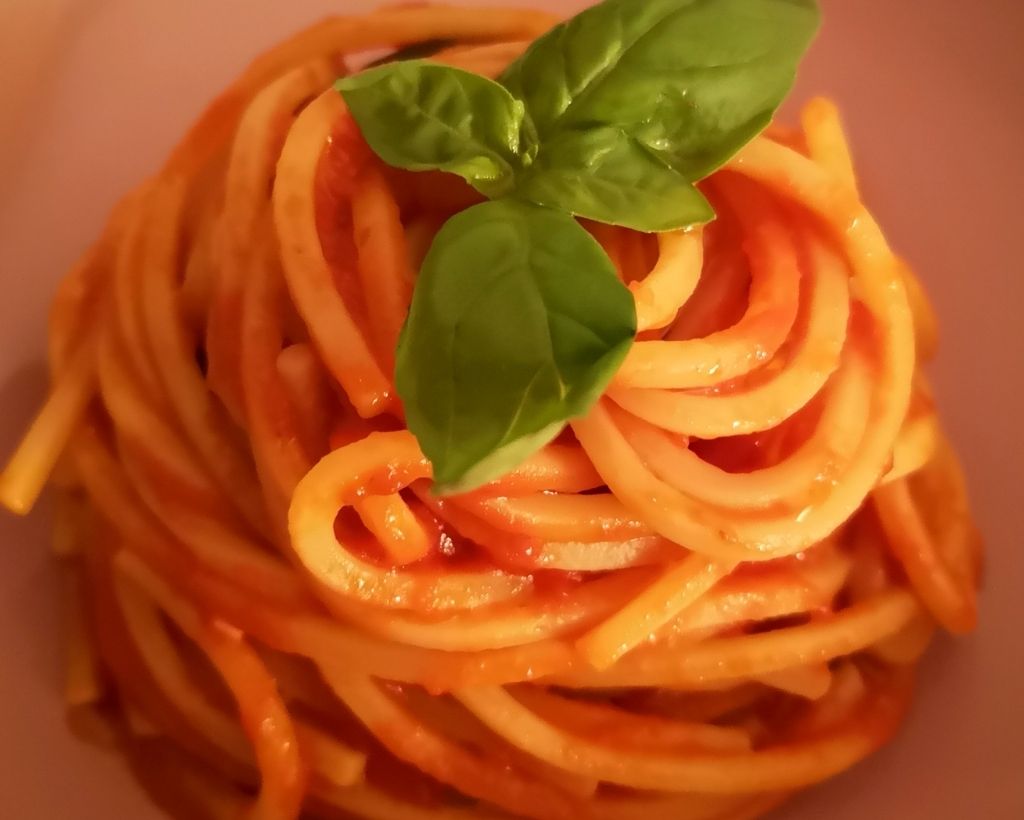
Spaghetti lacquered in a simple meat sauce, beef and pork coaxed into submission by tomato and time. Garlic present but never dominant. Salt measured with confidence. A snowfall of freshly grated parmesan fell at the table, sharp and nutty, melting almost instantly into the heat, clinging to the strands as if separation were an insult.
Bread followed thick, interior soft and warm. You tore it. You dragged it through the sauce. To leave any behind would have been sacrilege. Platters of prosciutto, mortadella marbled and tender, pecorino wedges that resisted the knife. Olives slick and briny. More wine appeared without ceremony. More food arrived before we could protest. Conversation accelerated and decelerated: Italian, English, then back again, football, politics, tomatoes, always tomatoes.
We went home dazed, faintly stained with sauce, carrying parcels of foil-wrapped leftovers we hadn’t requested but were expected to accept. Chairs scraping and plates clattering became familiar, the barbecue lit by noon, smoke curling into our yard. Restraint was optional.
And then, once a year, came “Salsa Day.”
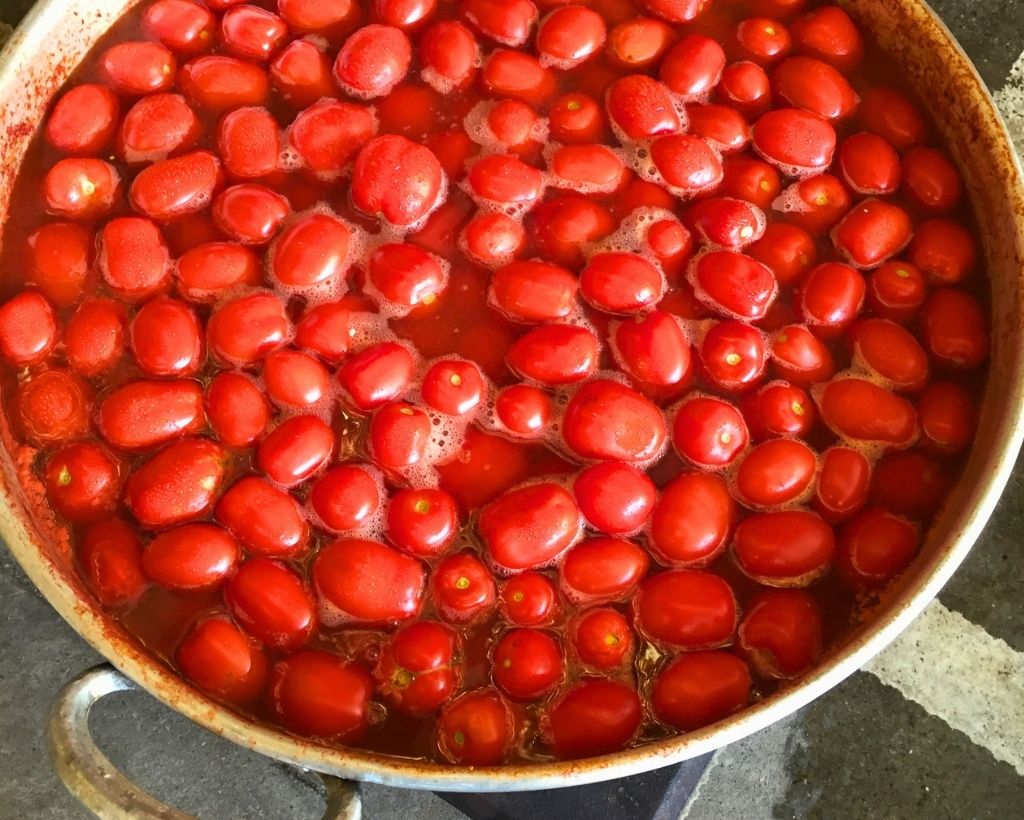
Crates upon crates of Roma tomatoes, heavy and sun-warmed, were unloaded onto the corner block. The garden became a small red republic. The hand-cranked press groaned. Dark beer bottles, collected and sterilised, lined up. A great drum of water steamed over gas flame. It was work disguised as festivity.
Tomatoes were washed, halved, fed into the press. Pulp and skins separated. Pulp collected in enormous tubs, stirred with oar-like spoons. Bottles inspected in sunlight for chips. Steam thickened the air. Caps soaked in metal bowls. Towels laid under the drum to protect the glass. Fill, wipe, cap, stack choreography repeated until exhaustion became indistinguishable from celebration.
Children were warned back from the heat. Debates erupted over salt. Basil. “Better in Calabria” arguments. My partner and I were drafted without ceremony. I wiped bottle necks, while bottles moved along the makeshift line to the capper. The metal lever came down with a decisive clack.
When the bottles cooled, Francesca pressed a crate into our hands.
“For you.”
Bottles still warm. Condensation clinging to the glass. We tried to refuse. Dismissed with a wave. Those bottles sat in our pantry, almost like relics. On cool evenings, we would open one, tipping thick red into a saucepan, and Mount Hawthorn would bloom in our kitchen—garlic, tomato, sunlight. We ate their summer deep into winter.
The following spring, we planted tomatoes along our own fence. Tentatively at first. Basil. Zucchini. Learning soil, staking, pruning. Always keeping an eye for spiders hiding under leaves. My partner built raised beds; we argued about spacing. Fruit ripened, impossibly, as if her way with tomatoes had drifted across the fence and taken root in our soil.
Years later, when passata reduces in the pan—that deep, sweet acidity, almost primal—I am back there. Sun striking bricks, smoke rising over the fence, voices colliding in affectionate argument. What drifted into our yard was never just food. It was generosity without ceremony, labour without complaint, something lived rather than explained.
We went for the arancini. We stayed because we were being quietly, thoroughly educated.
And now, life has moved us to Andalucia. And yet, I gather kilos of ripe tomatoes from the market and process the sauce myself. Not in great quantities, but enough for a handful of bottles each season, and in that small ritual, I feel a connection across continents. To that corner block in Mount Hawthorn. To garlic, sunlight, and summer. Even dodging the occasional spider in the market pile reminds me: care, attention, and a little caution are part of the joy.

