


Beyond the mirage
Understanding Dubai's wine revolution
Dr. Valeria Kuhar reflects on the remarkable evolution of the UAE's alcohol market, revealing how tradition, innovation, and strategic vision have transformed the Emirates into one of the world's most sophisticated beverage destinations.
More than twenty-three years ago, Dubai looked very different from the global metropolis we know today. The Burj Khalifa had yet to rise above the desert skyline, Palm Jumeirah was still under construction, and the Dubai Marina was only a vision on paper. Many of the luxury hotels, Michelin-starred restaurants, beach clubs, and residential districts that define modern Dubai simply did not exist.
Equally different was the way much of the world perceived the Middle East.
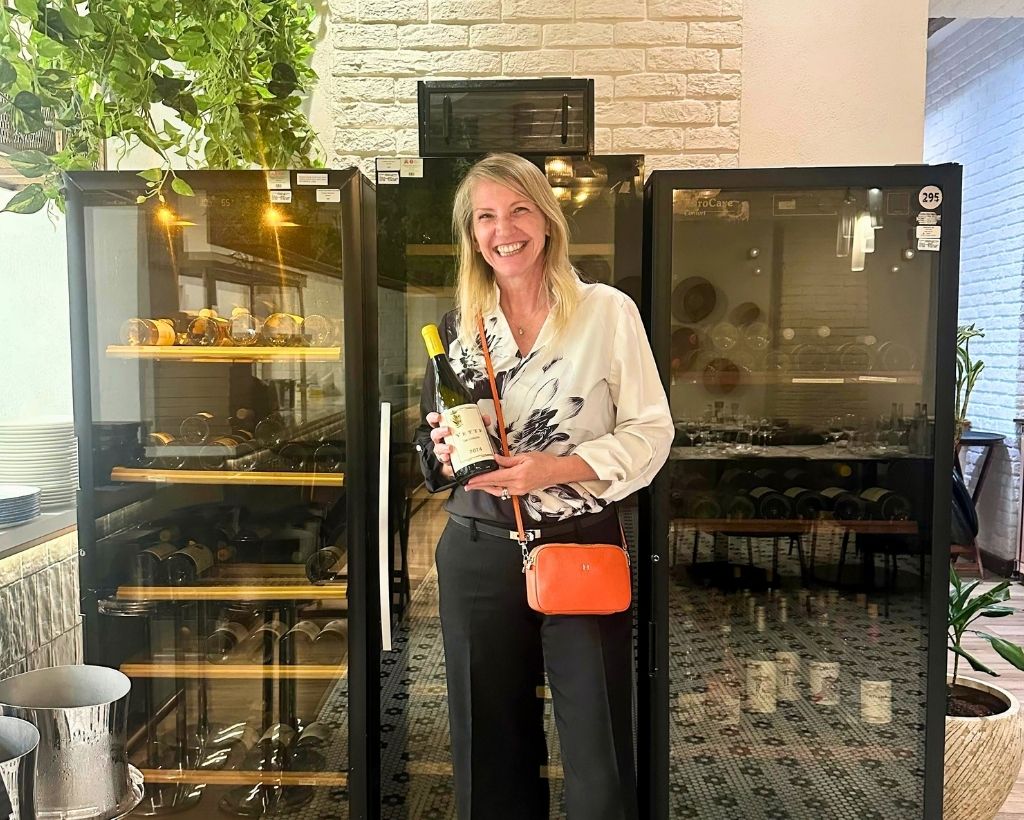
For many outsiders, the region was viewed through stereotypes rather than lived experience. But for me, Dubai became home. What began as a personal choice evolved into a career dedicated to helping businesses understand one of the world's most dynamic and misunderstood markets.
Over two decades later, one lesson remains central: the UAE cannot be understood from afar. Its success lies in relationships, cultural understanding, and the ability to balance tradition with transformation.
Few industries demonstrate this more clearly than the country's alcohol sector. At first glance, the existence of a thriving wine and spirits market within a nation deeply rooted in Islamic traditions may appear contradictory. Yet this perception reveals more about Western assumptions than Emirati reality.
The Emirates never chose between tradition and modernity. They chose to govern both. This ability to balance cultural identity with international openness has become one of the defining characteristics of the UAE's economic model.
Today, Dubai welcomes approximately twenty million international visitors annually and continues to attract entrepreneurs, investors, executives, and professionals from every corner of the world. Hospitality is not simply a sector of the economy; it is one of its foundations.
Within this ecosystem, beverages play a strategic role. Over the past two decades, the UAE's alcohol market has evolved from a relatively discreet presence into a highly sophisticated industry estimated to be worth between 8 and 10 billion US dollars. Driven by tourism, a growing international population, and the expansion of luxury hospitality, the sector continues to grow year after year.
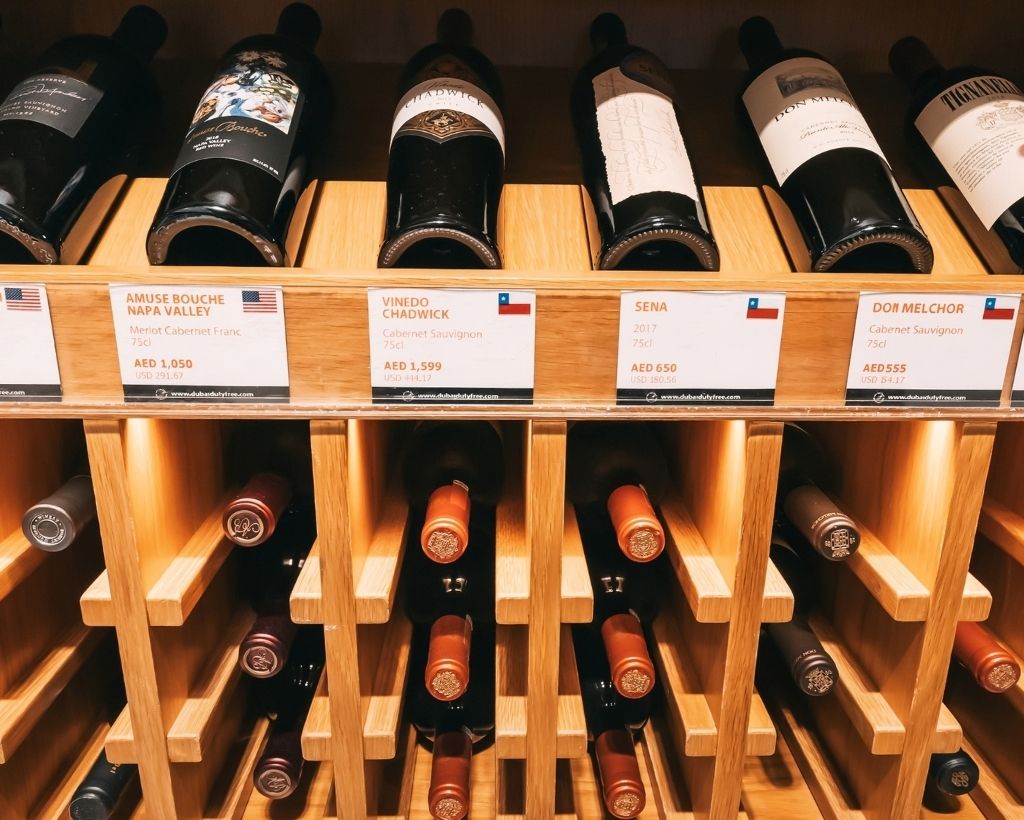
The Emirates are now the Middle East’s largest wine importer, accounting for more than half of regional imports, while Dubai serves as a commercial hub for the wider Gulf. Millions of litres arrive annually from France, Italy, Spain, Australia, South Africa, the United States, and Chile.
Yet the most interesting story is not about volume. It is about sophistication.
Beer continues to dominate in terms of consumption, supported by the city's vast expatriate population and international tourism. Premium spirits, particularly whisky, vodka, gin, and cognac, also maintain a strong presence. The rise of luxury rooftop venues, innovative hospitality concepts, and high-end cocktail culture has further fuelled demand for premium products.
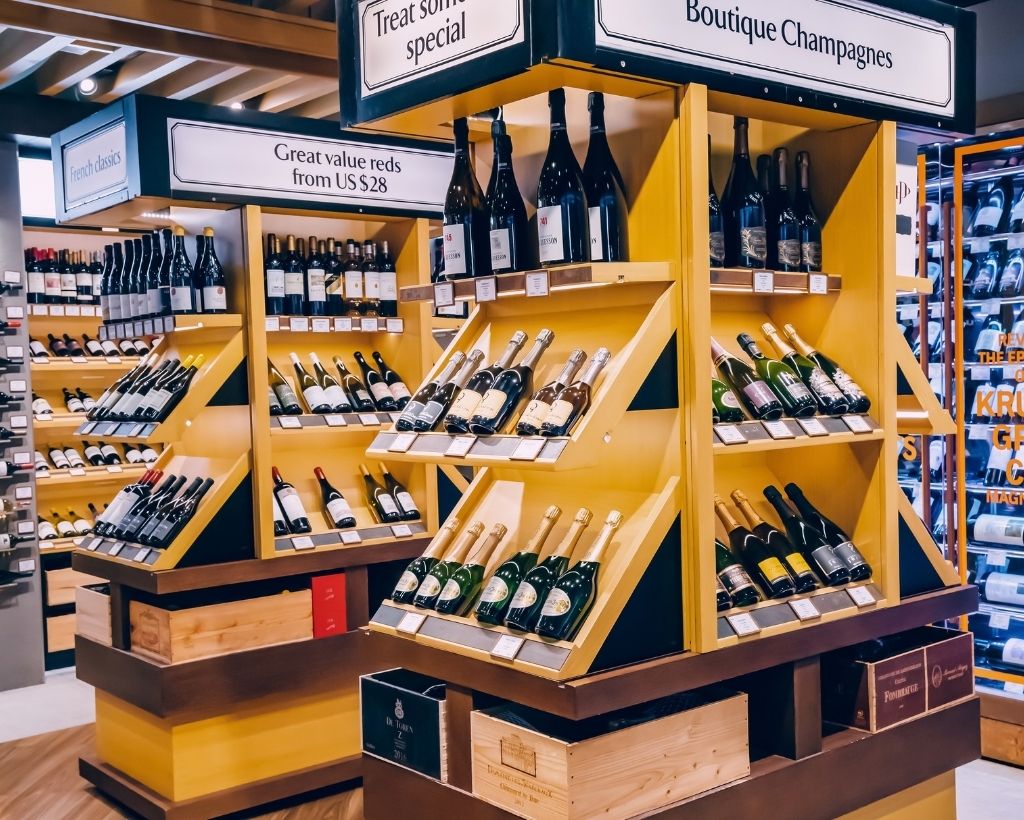
Wine, however, occupies a unique position. While representing a smaller share of overall consumption, it holds significant value within the premium dining sector. Wine has become closely associated with gastronomy, lifestyle, and the pursuit of memorable experiences.
This evolution has created significant opportunities for Italian producers. Today's consumers are very different from those of fifteen years ago. Prestige alone is no longer sufficient. Modern buyers seek authenticity, provenance, and narrative. They want to understand a wine’s origin, the people behind it, and the culture and story it represents.
This is where Italian wine enjoys a remarkable advantage. Italy exports far more than a product. It exports landscapes, traditions, family histories, culinary culture, and an entire way of life. Whether it is a Brunello di Montalcino, Barolo, Amarone, Franciacorta, or Etna Rosso, consumers are purchasing much more than what is inside the bottle. They are buying an experience.
The demographic driving this demand is equally interesting. While expatriates from Europe, North America, Australia, and South Africa remain important consumers, the market is increasingly shaped by internationally-minded professionals between 30 and 50 years of age.
Entrepreneurs, investors, executives, and founders are drinking less than previous generations, but they are drinking better. Quality has become more important than quantity.
Yet for all its opportunities, the UAE remains one of the most challenging markets to enter successfully. Many producers believe that a great wine, a beautiful label, and a compelling history will be enough to succeed. There are countless examples proving otherwise. In the UAE, it’s not the best product that succeeds, but the best-executed market strategy.
The alcohol sector remains highly regulated, requiring specialised knowledge of licensing, importation, distribution, logistics, and compliance. Success depends not only on product quality but on understanding how the entire system operates. Choosing the wrong distributor, adopting the wrong pricing strategy, or entering the market without local knowledge can undermine years of effort.
In many ways, Dubai resembles the luxury sector itself. Reputation takes time to build, but can be damaged very quickly.
This is also why wine prices in Dubai often surprise visitors. A bottle that costs 15 euros at an Italian winery may sell for ten times that amount in a premium Dubai restaurant. The difference reflects much more than the wine itself. It includes international logistics, regulation, storage, specialised distribution, hospitality costs, and the value of the experience being delivered.
After more than twenty-three years living and working in the Emirates, I remain convinced that local presence is indispensable. No market rewards superficial understanding less than Dubai. Success rarely belongs to those who arrive first; it belongs to those who truly understand the market.
Perhaps this is the real lesson of the Emirates: it has shown that tradition and innovation can coexist to create extraordinary opportunities. And for those willing to invest the time to understand its complexities, Dubai continues to offer one of the most fascinating business stories of our time.

