


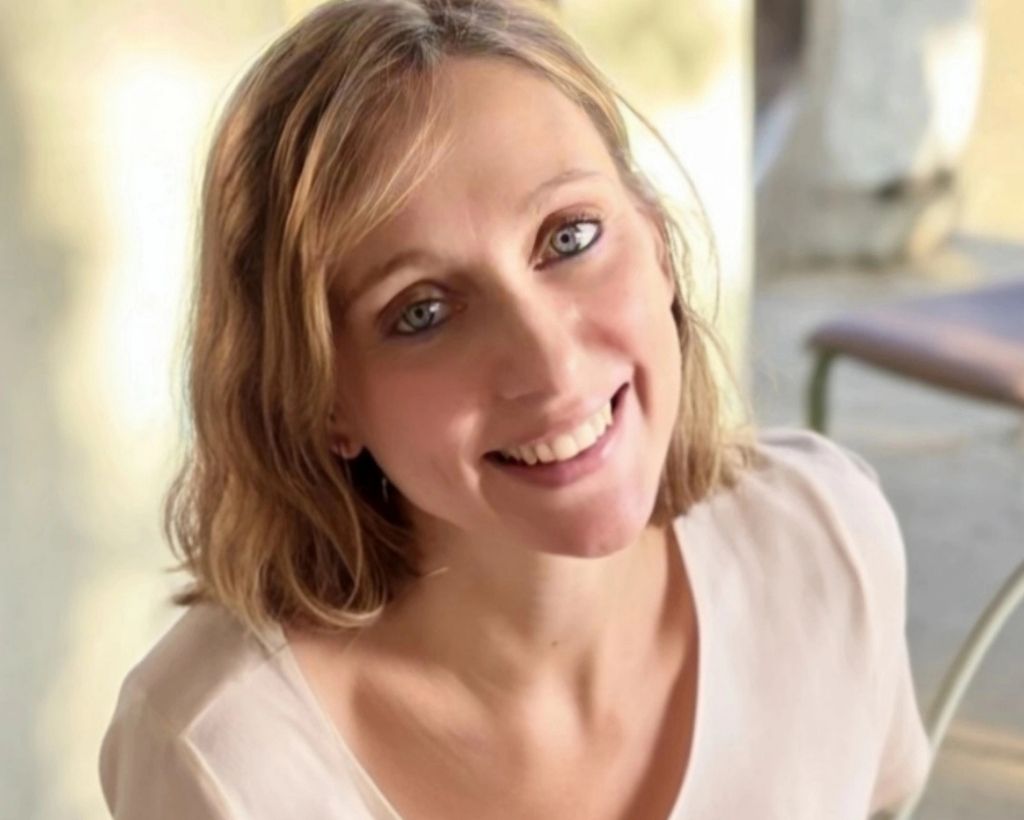
Between Two Hemispheres
Beauty, culture and living bridges
Claudia Scotellaro reflects on her journey between Italy and Australia, exploring how beauty, culture and personal transformation can become bridges between people, places and different ways of belonging.
If you had to describe yourself through an image, which would you choose?
Perhaps I would choose a bridge. A living bridge, made of relationships, places, experiences, people, and languages. My background is in economics, and I come from a family of entrepreneurs. For years, I worked in structured multinational corporate environments. But alongside this path, I have always nurtured a deep passion for philosophy, art, and psychoanalysis—fields that have helped me question the meaning of things, people, and the inner worlds that inhabit every experience. My life moves between different worlds: Italy and Australia, thought and action, culture and business, roots and movement. For a long time, I perceived these worlds as separate. Today, I feel that the most authentic work I am doing is precisely bringing them together.
The theme of two worlds seems central to your journey. How did this need for connection arise?
I believe it comes from a very personal experience. When you move from one country to another, you don’t just change geography. You change perspective. You become aware of what you left behind, what you carried with you, what you miss, and what you can transform. Living in Australia made me look at Italy with new eyes. It made me realize how much value there is in our culture. Not only in the great monuments or the most famous images, but in the details: the way people cook, converse, welcome others, inhabit a place, work with their hands, and create beauty in everyday life. From there came the desire not simply to “tell the story” of Italy, but to create real experiences and genuine connections between the two worlds.
Is this where ViviLocal Journeys was born?
Yes. ViviLocal was born from the desire to offer a different way of traveling in Italy. Not a trip to consume, but an experience to inhabit. I wanted to create itineraries that would bring people into places, not just in front of them. To meet artisans, producers, families, and local communities. To connect with less obvious territories, living traditions, and people who preserve valuable knowledge. ViviLocal is a travel boutique, but also a home for cultural design. We create tailor-made trips and curated journeys for individuals, groups, companies, and institutions that want to experience Italy in a more authentic, human, and profound way.
What value do you want to convey through travel?
That travel is not just movement. It is a relationship—also with ourselves. When we truly travel, we do not simply collect images. We enter into dialogue with a place. And every place, if we move through it with attention, gives something of ourselves back to us. For me, Italy is not a product to sell. It is a living heritage to encounter with respect.
Alongside ViviLocal, Arts in Habit was also born. What does it represent for you?
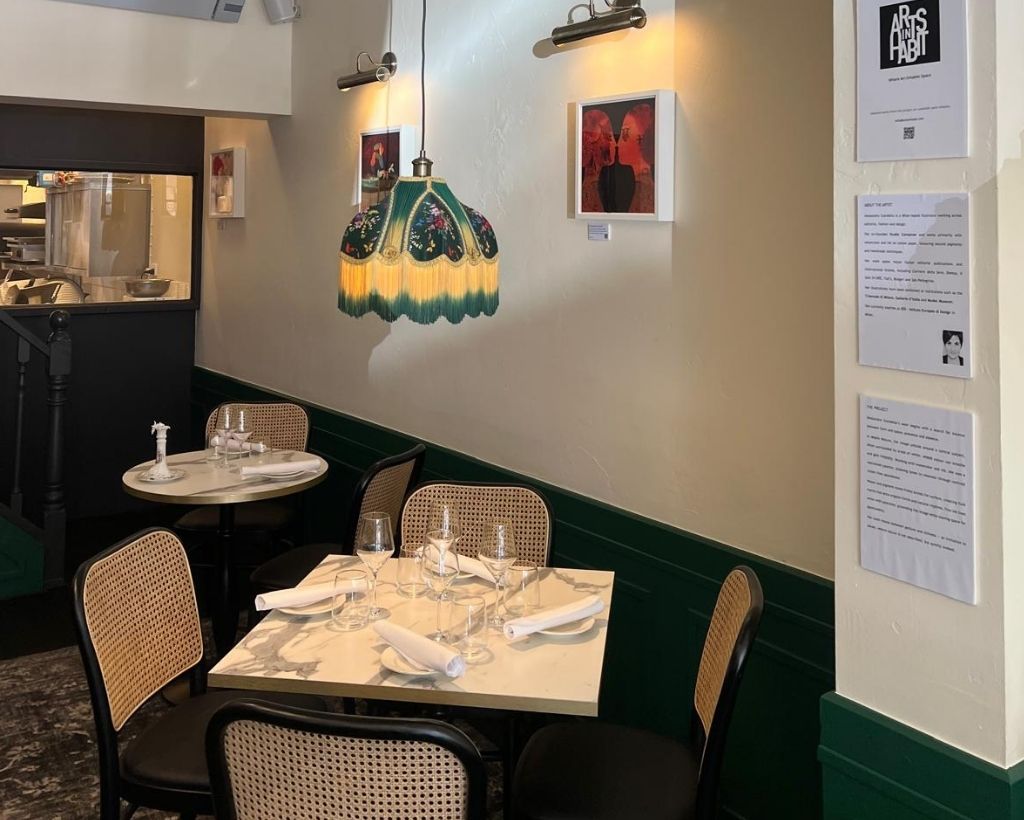
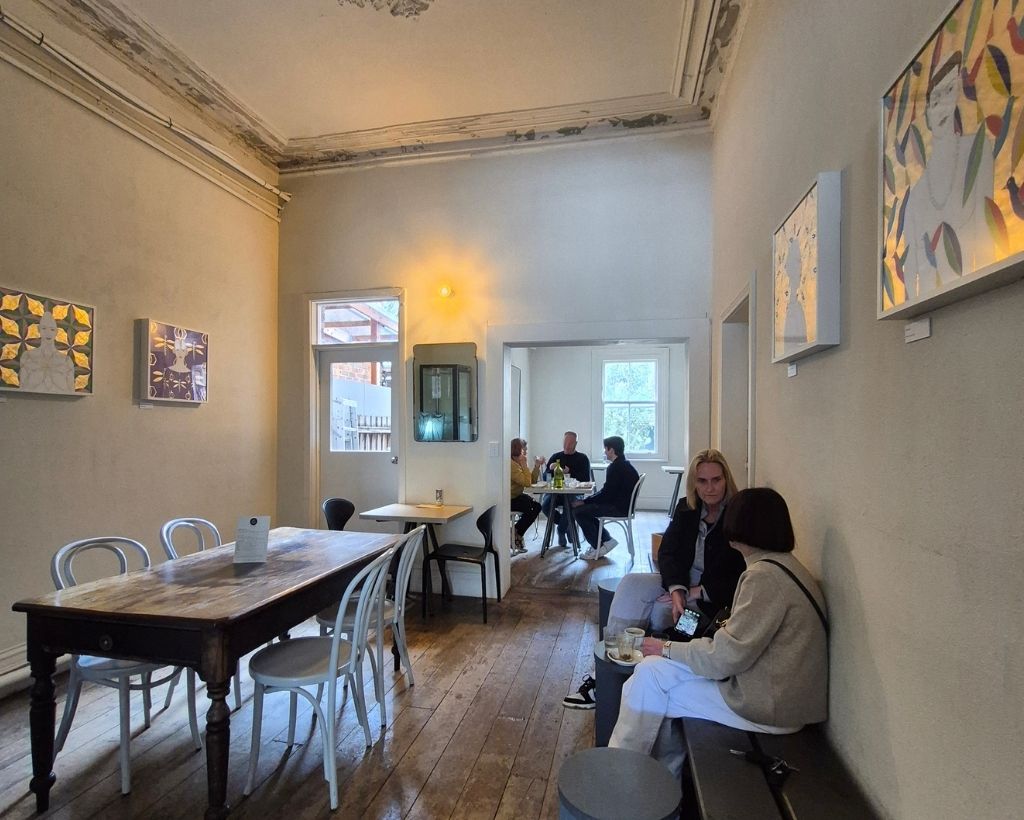
Arts in Habit was born from another question: where can art live? I am deeply interested in the idea that art should not be confined only to traditional spaces. Of course, museums and galleries are fundamental. But art can also inhabit everyday places: a café, a restaurant, a hotel, a transitional space, a public space. With Arts in Habit, I want to bring contemporary artists—especially Italian artists or those connected to the Italy–Australia dialogue—into living, frequented, accessible places. It is a “distributed gallery,” a way of creating more natural encounters between art, people, and spaces.
Why involve the hospitality world?
Because hospitality is already, in itself, a place of experience. People enter, stay, talk, eat, observe. If a work of art enters that space, something changes. A conversation begins. A possibility opens up. In this sense, Arts in Habit does not simply want to “decorate” spaces. It wants to make them speak. It wants to create dialogue between the identity of a place, the work of the artist, and the gaze of the people who move through it.
ViviLocal brings travellers to Italy, Arts in Habit brings Italian artists and culture to Australia. Are they two opposite movements?
They may seem opposite, but to me they are part of the same design. ViviLocal accompanies people to Italy. Arts in Habit brings fragments of Italian culture, art, and sensibility into the Australian context. One moves toward the roots, the other carries the roots elsewhere. They are two hemispheres of the same whole. And perhaps this is also a metaphor for my own life. I had to bring together my two inner hemispheres: the Italian and the Australian, the entrepreneurial and the cultural, the practical and the symbolic. We are all made of opposites. For me, wholeness does not arise when we choose one side against the other, but when we learn to let them have dialogue.
What role does beauty play in all of this?
Beauty is the way I relate to the world. Not beauty as superficial aesthetics, but as a form of attention. For me, beauty is a way of looking. It is the ability to notice a detail, a person, a gesture, a place, a story. Both ViviLocal and Arts in Habit arise from this idea: making visible what often remains invisible. Bringing to light the hidden value within territories, artists, communities, and everyday experiences.
What is your deepest mission today?
To create connections that create beauty—between Italy and Australia, artists and spaces, travellers and territories, culture and everyday life. I would like to contribute to a more human way of experiencing Italian culture abroad: not as nostalgia, not as a postcard image, but as a living, contemporary force capable of generating relationships, beauty, and new possibilities. Ultimately, I believe my work is making possible an encounter between worlds that seem distant, but that in reality can recognize, nourish, and transform one another.

